
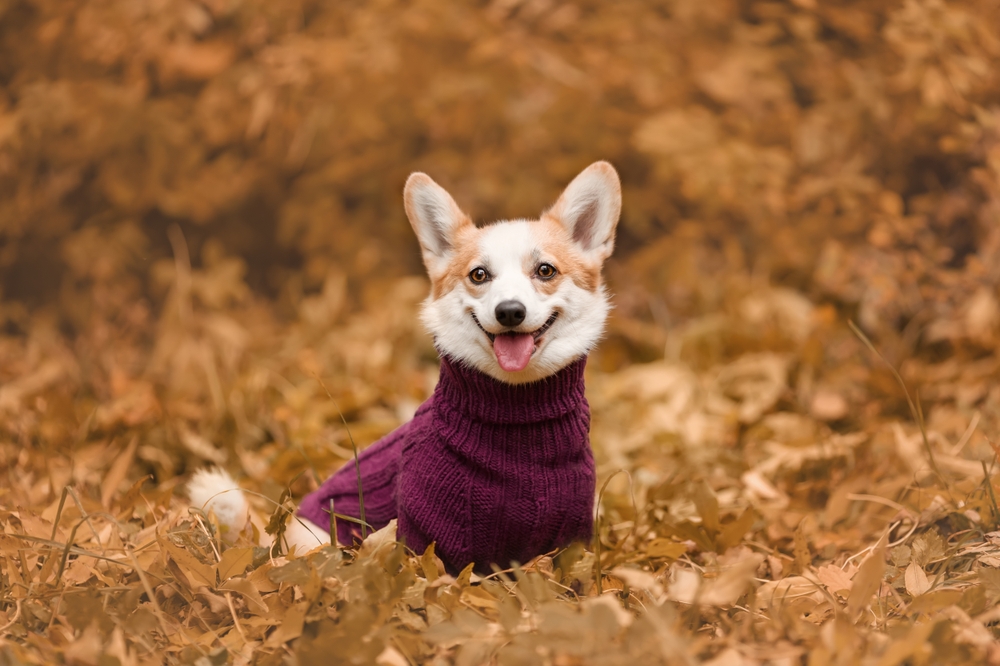
As the seasons shift and temperatures plunge, pet owners often begin to question whether their furry companions need extra protection from the elements. One of the most common questions asked is, “does my dog need a sweater in winter?” While some may see dressing dogs as purely decorative, the truth is that clothing and paw protection can play a critical role in keeping pets safe and healthy during the colder months. The answer isn’t one-size-fits-all. It depends on a variety of factors including breed, size, age, and health conditions.
Understanding your dog’s specific needs during wintertime can help you make the best decision. In this guide, we’ll delve into the essentials of pet clothing and paw care in cold weather, and help you determine when and why a dog might benefit from a sweater and winter boots. From coat types to road salt and snow, winter introduces a unique set of challenges for dogs that pet owners need to navigate thoughtfully.
The Role of Breed and Coat Type
Dogs are just as diverse as humans when it comes to tolerating the cold. Some breeds have thick, double-layered coats that naturally insulate them against frigid weather. Breeds like Siberian Huskies, Alaskan Malamutes, and Bernese Mountain Dogs are built for snowy conditions. Their fur serves as a built-in parka, keeping them warm without any need for extra clothing. On the other hand, short-haired breeds like Chihuahuas, Greyhounds, and Doberman Pinschers have little natural protection against the cold. For these dogs, a sweater isn’t a fashion statement; it’s a necessity.
Small dogs also tend to lose body heat more quickly than larger dogs due to their smaller body mass. In addition, puppies and senior dogs, regardless of breed, may have a harder time regulating their body temperature. If you’re asking, “does my dog need a sweater in winter?” and your dog falls into one of these categories, the answer is likely yes.
Even if your dog has a thick coat, extremely low temperatures can still pose a risk, especially if they spend extended time outdoors. In such cases, a sweater or coat can add an extra layer of protection, ensuring that your pet stays warm and comfortable throughout the walk.
Importance of Dog Winter Boots and Paw Protection
While sweaters protect the core, dog winter boots and paw protection are just as important for overall safety. Pavement can get brutally cold in the winter, and it often becomes coated with ice, snow, and harmful chemicals like de-icers and road salt. These substances can be harsh on your dog’s paws, causing dryness, cracking, or even chemical burns.
If you’ve ever noticed your dog limping during a walk or incessantly licking their paws after being outside, it’s a sign that something is irritating their feet. Dog winter boots serve as a barrier between your pet’s sensitive paw pads and the harsh winter terrain. High-quality boots can offer insulation, grip on slippery surfaces, and protection from harmful chemicals.
It may take time for a dog to get used to wearing boots. Start by letting them wear the boots indoors to get familiar with the sensation. Once your dog is comfortable, you’ll find that their outdoor experience becomes more enjoyable and less stressful. Boots also prevent snow and ice from getting lodged between the toes, which can be painful and cause injuries if not promptly removed.
Winter Safety Tips for Dogs
Protecting your dog from the winter elements involves more than just throwing on a sweater or a pair of boots. You’ll need to consider the full spectrum of care. One of the most important winter safety tips for dogs is to limit exposure to the cold. Even with appropriate clothing, dogs shouldn’t be left outside for long periods during freezing weather.
Always monitor the temperature and wind chill before heading out. If it feels too cold for you, it’s likely too cold for your dog as well. Choose well-lit paths for walks, as daylight is limited in the winter, and ensure your dog is always visible with reflective gear or LED collars.
Hydration is another aspect often overlooked in cold weather. Even in winter, dogs can become dehydrated, especially if they are active outdoors. Make sure fresh water is always available and not frozen.
It’s also a good idea to check your dog’s paws after every walk. Wipe them down with a damp cloth to remove any salt or chemicals they may have picked up. If your dog has long hair between their toes, consider trimming it to prevent ice from accumulating and causing discomfort.
The Science Behind Pet Clothing and Paw Care in Cold Weather
Scientific research supports the idea that dogs can benefit from protective clothing and gear in extreme weather. According to veterinary experts, maintaining a stable body temperature is essential for dogs to function properly, just as it is for humans. Hypothermia and frostbite are real threats that can occur when dogs are exposed to extreme cold without adequate protection.
Thermal insulation provided by pet clothing can help regulate body heat, especially in dogs that are vulnerable due to age, health conditions, or breed characteristics. In addition, paw care in cold weather is crucial because the pads of a dog’s feet are not immune to temperature changes or chemical exposure.
Boots, balms, and moisturizers specifically designed for dogs can keep their paws supple and free from cracks. Regular use of these protective measures ensures that your pet maintains healthy feet throughout the season.
Grooming also plays a key role. Matted fur does not insulate as well as clean, brushed coats. Maintaining your dog’s grooming routine will help their natural coat do its job more effectively, even if you supplement it with additional clothing.
Practical Considerations and Comfort
Choosing the right sweater and boots for your dog involves more than picking a cute design. Function and fit should always come first. A good winter sweater should cover from the neck to the base of the tail and allow for free movement of the legs. Materials should be warm but breathable; wool blends or fleece are common choices.
For boots, ensure that they fit snugly but not too tight. They should stay in place without restricting circulation. Look for boots with non-slip soles and waterproof materials for maximum effectiveness.
It’s also crucial to observe your dog’s behavior when wearing these items. Some dogs may feel uncomfortable at first. Give them time to adjust and provide positive reinforcement to associate the gear with a pleasant experience. Never force your dog to wear something that causes obvious distress, and consult with your veterinarian if you have concerns.
Ultimately, the goal is to enhance your dog’s comfort and safety, not hinder their natural behavior. Whether you’re dealing with urban streets full of ice melt or forest trails blanketed in snow, equipping your dog with the right gear ensures a smoother, safer winter for both of you.
Conclusion
So, does my dog need a sweater in winter? The answer depends on various factors, but for many dogs, especially those with short coats, small frames, or health concerns, the answer is yes. Similarly, dog winter boots and paw protection aren’t just trendy accessories; they’re practical tools for keeping your pet safe from harsh environmental elements.
Winter can be a magical season to share with your dog, but it requires a bit of extra care and preparation. From pet clothing and paw care in cold weather to broader winter safety tips for dogs, proactive measures go a long way. With the right clothing and equipment, your dog can enjoy winter walks just as much as summer strolls, without the risks that come with the cold.
Being attentive to your dog’s needs not only ensures their safety but also deepens the bond between you and your furry companion. As you bundle up for winter, don’t forget to do the same for your pet. After all, they rely on you to help them weather the storm, literally.
Need Veterinary Surgical Care Near You?
At Veterinary Surgical Center of Long Island, we understand how important your pet’s health is, which is why we are here to provide expert care during emergencies and complex surgical procedures. Whether your pet is facing a critical emergency or needs specialized surgery, our team in Huntington, NY, is ready to offer life-saving treatment with the latest technology and compassionate care. If your pet requires emergency attention or advanced surgical care, don’t hesitate to reach out to us. We’re committed to working alongside you and your primary care veterinarian to create a personalized treatment plan that ensures the best possible outcome for your furry family member. Contact us today and let us help your pet get back to a healthier, happier life.

