
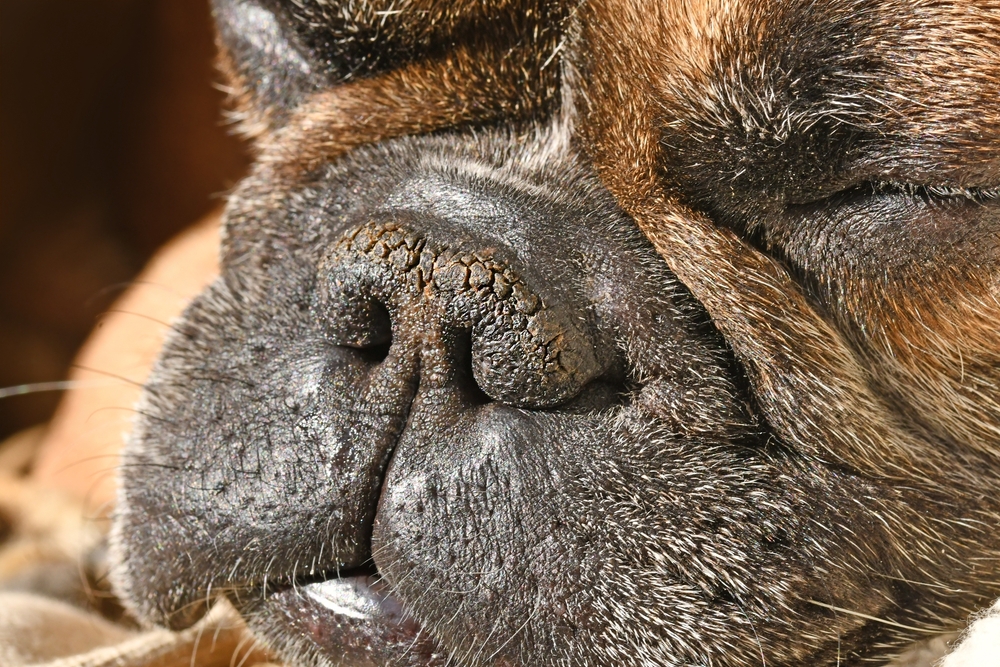
Brachycephalic Obstructive Airway Syndrome (BOAS) is a complex condition that affects dogs with short, flat faces, commonly known as brachycephalic breeds. Dogs such as French Bulldogs, English Bulldogs, Pugs, and Boston Terriers are among the most commonly affected. Their unique facial anatomy, while often considered endearing, comes at a cost. The shortened skull shape results in compressed airways, which can cause severe breathing difficulties, exercise intolerance, heat sensitivity, and in extreme cases, life-threatening respiratory crises.
The main issue lies in the way these breeds are structured. Their shortened snouts mean that the tissues within their nasal passages, throat, and soft palate are not proportionally reduced. Instead, they remain bulky and crowded, leading to partial obstruction of airflow. When a French Bulldog or similar breed pants heavily or struggles to breathe, it’s not simply a quirky trait—it’s a clinical manifestation of airway obstruction.
The condition often begins subtly in puppyhood with noisy breathing or snoring but can worsen significantly with age. Owners may observe wheezing during activity, frequent gagging or retching, prolonged recovery after play, or even collapse during hot weather. These signs signal the need for veterinary evaluation. Left untreated, BOAS can reduce quality of life, exacerbate secondary health problems, and lead to chronic distress for the pet.
Common Clinical Signs and Diagnosis
Veterinarians trained in identifying BOAS use a combination of clinical signs, breed predisposition, and diagnostic evaluations to determine severity. A physical exam often reveals noisy breathing patterns, narrowed nostrils, and elongated soft palates. Dogs with BOAS may also display gastrointestinal symptoms such as regurgitation or vomiting, because increased effort to breathe creates abnormal pressures within the chest and abdomen.
One of the most striking signs in brachycephalic breeds is exercise intolerance. For example, a French Bulldog might start a playful run but quickly collapse into heavy panting or coughing. Some dogs cannot tolerate even moderate activity without gasping. Hot weather compounds the issue, since these breeds already have difficulty cooling themselves through panting.
Veterinarians may recommend advanced diagnostics, including laryngoscopy or endoscopy, to visualize the airway structures directly. These procedures reveal whether the soft palate is elongated, the laryngeal saccules are everted, or if significant narrowing of the trachea is present. Because of the complexity of the condition, many owners seek a french bulldog breathing surgery specialist who has experience handling delicate airway tissues in brachycephalic breeds.
Timely diagnosis is critical. BOAS does not resolve on its own and tends to worsen with age and weight gain. The sooner surgical or medical interventions are considered, the greater the improvement in long-term outcomes.
How BOAS Surgery Can Help
When conservative management—such as weight control, limited activity in hot weather, and monitoring—fails to control symptoms, surgery becomes the most effective treatment. BOAS surgery for dogs addresses the anatomical abnormalities directly, restoring airflow and reducing the strain on the animal’s respiratory system.
Several surgical procedures may be recommended, depending on the severity of the condition. Alarplasty is a common surgery that widens the nostrils, allowing more air to pass through the nasal passages. Soft palate resection shortens the elongated tissue at the back of the throat that obstructs airflow during breathing. In some cases, everted laryngeal saccules are removed to further open the airway. Each procedure targets a specific component of the obstruction, and many dogs undergo a combination of them for maximum benefit.
The surgery itself is delicate and requires specialized training. That is why finding a french bulldog breathing surgery specialist is crucial, particularly for breeds like French Bulldogs that have especially narrow airways and heightened surgical risks. These specialists understand not only the technical aspects of the procedures but also the nuances of anesthesia for brachycephalic patients, who are more vulnerable to complications.
Postoperative recovery typically includes a brief hospital stay for monitoring, as swelling or respiratory distress can occur immediately after surgery. Long-term, however, most dogs experience dramatic improvements. Owners often report that their pets are able to enjoy longer walks, play more comfortably, and rest without constant snoring or gasping. In essence, surgery not only extends a dog’s lifespan but also enhances the quality of every day they live.
Emergency Care and Long-Term Management
Although BOAS surgery for dogs can be life-changing, emergencies can still occur in brachycephalic breeds, particularly before surgical correction. A sudden collapse on a hot day, rapid onset of respiratory distress, or unrelenting gagging requires immediate veterinary attention. For this reason, it’s important for owners to know where an emergency veterinary hospital for brachycephalic dogs is located near them. In areas like Long Island, NY, where summers can be humid and hot, quick access to emergency care is critical.
Emergency care for BOAS often involves oxygen therapy, sedation to reduce airway effort, and cooling measures if the crisis is heat-related. In some cases, intubation may be necessary to maintain an open airway. While these interventions save lives in the moment, they do not address the underlying anatomical problem, reinforcing the importance of pursuing surgery when recommended.
Long-term management after surgery includes weight control, as obesity significantly worsens airway obstruction. Owners should also avoid overexertion during peak heat, monitor their dog’s breathing sounds regularly, and schedule follow-up visits with their veterinary surgeon. Many specialists emphasize that even after successful procedures, brachycephalic breeds will always have somewhat compromised airways compared to longer-nosed dogs. Responsible management ensures that surgical benefits are maintained for the rest of the pet’s life.
Another important consideration is breeding ethics. Because BOAS is directly linked to the brachycephalic anatomy, responsible breeders are encouraged to prioritize health over extreme physical traits. By selecting dogs with less extreme features, the prevalence of BOAS in future generations can be reduced. Until then, pet owners must remain vigilant about their dog’s condition and seek veterinary support as needed.
Finding Specialized Care in Long Island, NY
For dog owners living in or near Long Island, NY, accessing skilled care for BOAS can make a tremendous difference. Not every general veterinary practice has the expertise or equipment to handle advanced airway surgeries. A french bulldog breathing surgery specialist brings the necessary training and experience to ensure the best outcome. These specialists understand the unique risks associated with anesthesia in brachycephalic dogs and tailor their approach to maximize safety.
Long Island, NY, is home to several facilities equipped to provide both emergency and surgical care for brachycephalic breeds. An emergency veterinary hospital for brachycephalic dogs not only stabilizes patients in crisis but also collaborates with surgical teams for long-term solutions. Having access to both emergency services and surgical specialists in one region is invaluable for pet owners who want to ensure their dog receives seamless, comprehensive care.
Owners should not delay consultation. Many specialists in Long Island encourage scheduling a pre-surgical evaluation as soon as symptoms are noted. This allows for a thorough discussion of risks, benefits, costs, and recovery expectations. Because demand for brachycephalic expertise is high, early scheduling prevents long wait times and ensures pets can be treated before emergencies arise.
Conclusion
Brachycephalic Obstructive Airway Syndrome is a serious, life-altering condition that affects many beloved breeds, particularly French Bulldogs, English Bulldogs, and Pugs. Characterized by noisy breathing, exercise intolerance, and in some cases life-threatening airway obstruction, BOAS demands careful veterinary attention. While lifestyle adjustments and preventive care play important roles, surgery remains the most effective treatment for correcting the anatomical abnormalities that underlie the syndrome.
For pet owners in Long Island, NY, seeking care from a french bulldog breathing surgery specialist can mean the difference between chronic suffering and a vibrant, active life. Emergency veterinary hospitals for brachycephalic dogs further ensure that life-threatening crises can be managed effectively. Together, these resources empower owners to provide the highest quality of life for their brachycephalic companions.
Ultimately, BOAS surgery for dogs is not merely about correcting a breathing problem—it is about restoring joy, comfort, and longevity to the lives of pets who otherwise struggle every day to do something as simple as breathe. By pursuing specialized surgical intervention and maintaining diligent long-term care, owners can give their brachycephalic dogs the chance to thrive, not just survive.
Need Veterinary Surgical Care Near You?
At Veterinary Surgical Center of Long Island, we understand how important your pet’s health is, which is why we are here to provide expert care during emergencies and complex surgical procedures. Whether your pet is facing a critical emergency or needs specialized surgery, our team in Huntington, NY, is ready to offer life-saving treatment with the latest technology and compassionate care. If your pet requires emergency attention or advanced surgical care, don’t hesitate to reach out to us. We’re committed to working alongside you and your primary care veterinarian to create a personalized treatment plan that ensures the best possible outcome for your furry family member. Contact us today and let us help your pet get back to a healthier, happier life.

