
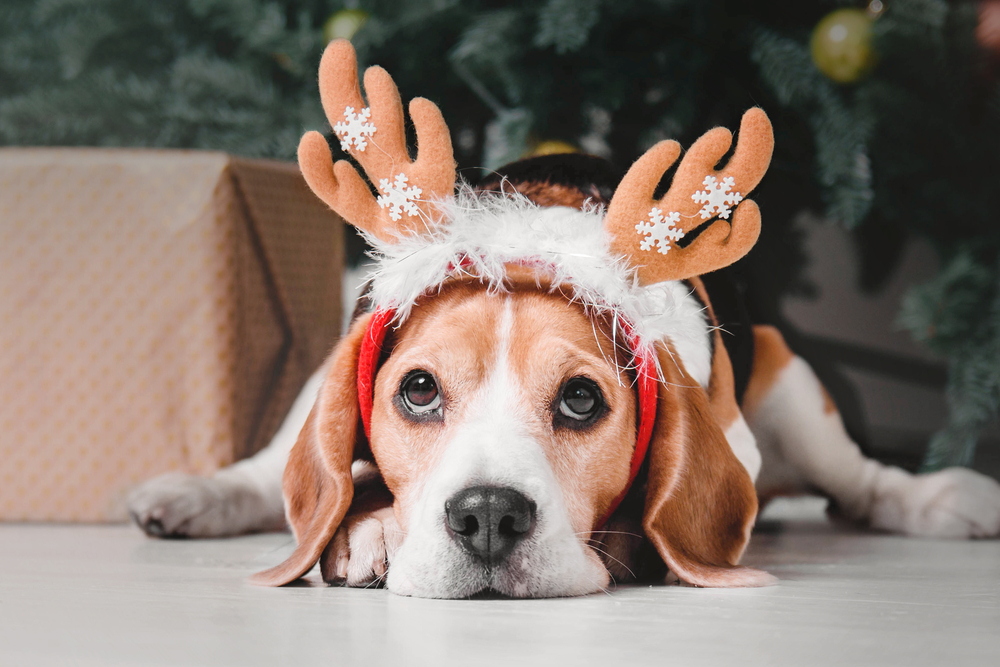
The holiday season is a time of celebration, family gatherings, and festive décor. However, while humans may revel in the joy of Christmas, this time of year can be filled with hidden dangers for our beloved pets. Dogs and cats are naturally curious creatures, and the changes in routine, home decorations, and holiday treats can expose them to risks that require immediate medical attention. Knowing what to look out for can help pet owners prevent accidents and ensure that the holiday season remains a safe and happy time for everyone in the household, furry friends included.
Holiday Foods That Pose a Risk to Pets
During Christmas, kitchens are often bustling with activity and brimming with tempting smells. While it might be difficult to resist those pleading eyes under the dinner table, many holiday foods are not safe for dogs and cats. Rich, fatty foods like turkey skin, gravy, and buttery sides can cause gastrointestinal distress or even pancreatitis, a painful and potentially life-threatening inflammation of the pancreas. Bones from cooked meats are brittle and can splinter, leading to choking or internal injuries.
Another serious concern is chocolate, commonly found in holiday desserts. Chocolate contains theobromine, which is toxic to dogs and cats. Even small amounts can cause symptoms such as vomiting, tremors, and seizures. Grapes and raisins, often found in Christmas puddings and fruitcakes, are also dangerous, particularly for dogs, and can cause acute kidney failure. Alcohol is another major hazard. Pets are much more sensitive to ethanol, and even small amounts of alcohol found in desserts or left in unattended glasses can lead to severe toxicity.
It’s also important to remember that artificial sweeteners, especially xylitol, are highly toxic to dogs. Xylitol is commonly found in sugar-free gums, candies, and even some baked goods. Ingesting even a small amount can result in a sudden drop in blood sugar and liver failure. If a pet is suspected to have consumed any of these substances, emergency vet services should be contacted immediately.
Hazardous Holiday Decorations
Holiday decorations are a staple of Christmas cheer, but they can also turn into dangerous playthings for curious pets. Cats, in particular, are often attracted to shiny, dangling ornaments. Glass ornaments can shatter when knocked over, potentially causing cuts to paws or ingestion of sharp fragments. Tinsel and ribbons, though seemingly harmless, can lead to serious internal blockages if ingested, often requiring surgical intervention.
Christmas lights and electrical cords pose another threat. Puppies and kittens may chew on them, risking electrical shock or burns. Pets may also become entangled in cords, leading to injury or strangulation. The water from live Christmas trees, often containing sap, fertilizers, or preservatives, is not safe to drink and can cause stomach upset if consumed by pets.
Holiday plants such as poinsettias, mistletoe, holly, and lilies also carry risks. While poinsettias are generally less toxic than commonly believed, they can still cause mild irritation. Mistletoe and holly are far more dangerous and can result in severe gastrointestinal upset or heart issues. Lilies are especially toxic to cats and can cause kidney failure with even minimal exposure. Keeping these plants out of reach or avoiding them altogether can help protect your pets during the festive season.
Stress and Anxiety from Routine Disruptions
The hustle and bustle of the holidays can be overwhelming for pets who are accustomed to a predictable routine. Frequent visitors, loud parties, and changes in their environment can lead to anxiety, especially in more timid animals. Dogs may react by barking excessively, hiding, or displaying destructive behavior. Cats often retreat to secluded areas and may refuse to eat or use the litter box when stressed.
Introducing new people or pets, hosting gatherings, or traveling during the holidays can heighten these feelings. It’s important to create a quiet and comfortable space for your pets to retreat when the festivities become too much. Familiar blankets, toys, and access to water and food can help reduce stress. Consider using calming pheromone sprays or diffusers, which are available for both dogs and cats, to help maintain a sense of calm.
For pets with a history of anxiety, speak to a veterinarian about strategies to manage their behavior during the holiday season. In some cases, medications or supplements might be recommended to ensure they remain comfortable and safe. Stress-related behaviors should not be ignored, as they can escalate and lead to accidents or health issues that may require emergency vet services.
Cold Weather Hazards
With the holiday season comes colder temperatures, which can pose serious risks to pets, particularly those that are older or have short coats. While dogs and cats have fur, they are not immune to frostbite or hypothermia. Prolonged exposure to the cold, especially on paws, ears, and tails, can cause tissue damage. Always limit outdoor time during extremely cold weather and provide warm bedding indoors.
Antifreeze is another wintertime hazard. It has a sweet taste that can attract animals, but it is extremely toxic and even a small amount can be fatal. Keep all antifreeze containers sealed and clean up any spills immediately. De-icing salts used on sidewalks and roads can also irritate pets’ paws or cause illness if licked off their feet. Wiping down your pet’s paws after walks can prevent ingestion of harmful substances.
For pets that enjoy outdoor time, ensure they have access to shelter and are not left outside for extended periods. Dogs with thin coats may benefit from wearing a coat or sweater during walks. Make sure they have a warm and dry place to rest once back indoors, and never leave pets in a car during cold weather, as temperatures can drop rapidly, putting them at risk.
Unattended Gifts and Packaging
Wrapped gifts and holiday packaging may seem harmless, but they can be a source of serious trouble for pets. Dogs, known for their strong sense of smell, may be drawn to edible gifts under the tree. They can chew through wrapping paper and ingest chocolates, candies, or other dangerous foods without a moment’s hesitation. Cats may be attracted to the crinkling sound of wrapping paper or the movement of ribbons and bows, leading to chewing or swallowing foreign objects.
Tape, plastic packaging, and decorative gift tags can pose choking hazards or cause intestinal blockages. These materials are not digestible and can accumulate in a pet’s stomach, requiring emergency vet services to remove. Battery-operated gifts, if chewed or punctured, present the risk of chemical burns or heavy metal poisoning. Small parts from toys can also be swallowed and cause internal injuries.
To avoid these issues, store gifts out of reach until they are ready to be opened. Supervise your pets during unwrapping sessions, and promptly discard all packaging materials. Training pets to stay away from the tree or gift area can also reduce the risk of them getting into trouble when no one is looking.
Conclusion
While the holiday season brings warmth and joy, it also introduces a variety of hidden risks for dogs and cats. From toxic foods and dangerous decorations to increased stress and environmental hazards, pet owners must stay vigilant to protect their animals during this festive time. Recognizing potential dangers and preparing accordingly can prevent emergencies and reduce the likelihood of needing urgent care.
If an accident does occur, prompt access to emergency vet services can be the difference between a minor issue and a major health crisis. Being aware of local veterinary options and having emergency numbers on hand is essential. Ultimately, with a little foresight and care, you can ensure that your pets stay healthy and happy, making this Christmas season a truly joyful occasion for every member of the family.
Need Veterinary Surgical Care Near You?
At Veterinary Surgical Center of Long Island, we understand how important your pet’s health is, which is why we are here to provide expert care during emergencies and complex surgical procedures. Whether your pet is facing a critical emergency or needs specialized surgery, our team in Huntington, NY, is ready to offer life-saving treatment with the latest technology and compassionate care. If your pet requires emergency attention or advanced surgical care, don’t hesitate to reach out to us. We’re committed to working alongside you and your primary care veterinarian to create a personalized treatment plan that ensures the best possible outcome for your furry family member. Contact us today and let us help your pet get back to a healthier, happier life.

