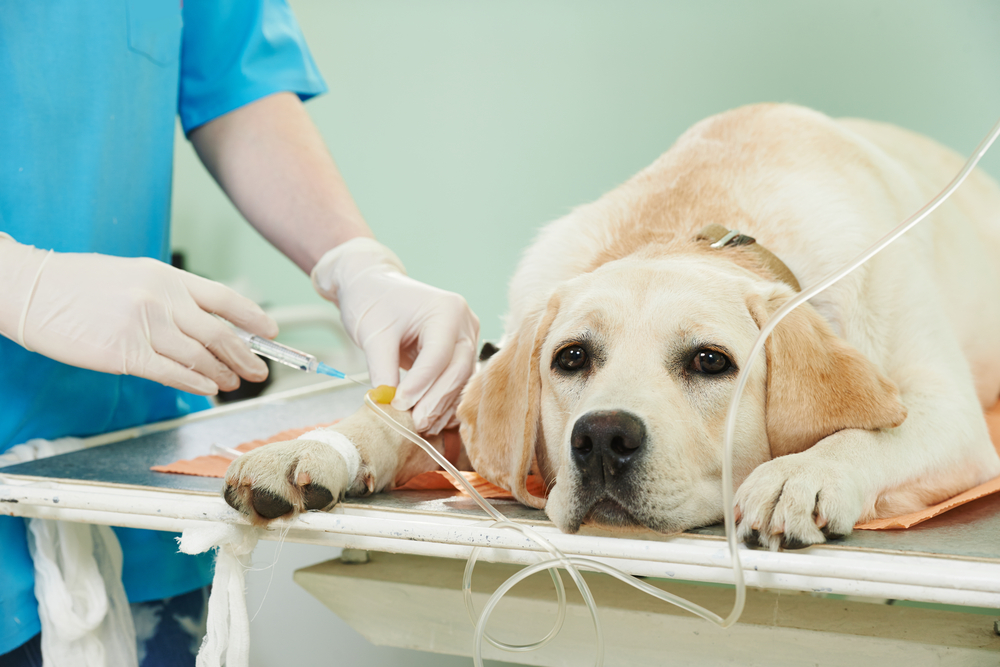
If your dog suddenly cries out in pain, refuses to jump on the couch, or starts dragging their back legs, it can be frightening. For pet owners in Huntington and across Long Island, these symptoms may point to intervertebral disc disease (IVDD), a condition that can progress quickly and may require emergency veterinary care.
Quick Answer
Intervertebral disc disease (IVDD) is a spinal condition that occurs when the cushioning discs between the vertebrae bulge or rupture, putting pressure on the spinal cord. Symptoms range from back pain and reluctance to move to weakness, paralysis, and loss of bladder control. While some dogs improve with strict rest and medication, others need prompt back surgery to preserve mobility and quality of life.
What Long Island Pet Owners Should Know
- Dogs with IVDD can go from mild discomfort to difficulty walking within hours, making early evaluation essential.
- Certain breeds, including Dachshunds, French Bulldogs, Beagles, and Corgis, are at a higher risk of developing IVDD.
- Emergency evaluation is especially important if your dog cannot walk or loses bladder or bowel control.
- Pet owners throughout Huntington, Suffolk County, Nassau County, Smithtown, Northport, and surrounding Long Island communities should not wait to see if severe neurological symptoms improve on their own.
- Early diagnosis often provides more treatment options and may improve the chances of recovery.
Why IVDD Matters for Dogs in Huntington
IVDD can affect dogs of any age, but it is particularly common in breeds with long backs or those genetically predisposed to disc degeneration. Active families throughout Huntington, Cold Spring Harbor, Northport, and surrounding Long Island communities often notice symptoms after routine activities like climbing stairs, jumping off furniture, or playing outside.
At Veterinary Surgical Center of Long Island, we work with referring veterinarians and pet owners to evaluate spinal conditions and determine whether surgery is the most appropriate treatment for each individual patient.
What Is IVDD?
IVDD is a condition where one or more spinal discs become damaged and compress the spinal cord. These discs normally act as cushions between the vertebrae, allowing the spine to move comfortably.
When a disc ruptures or bulges, pressure on the spinal cord can interfere with nerve function. Depending on where the injury occurs and how severe the compression is, dogs may experience pain, weakness, loss of coordination, or paralysis.
The condition most commonly affects the neck or middle to lower back.
Common Symptoms of IVDD
The signs of IVDD can vary widely depending on the severity of spinal cord compression.
Common symptoms include:
- Back or neck pain
- Crying out when picked up or touched
- Reluctance to jump, climb stairs, or play
- Stiff posture
- Shaking or muscle tension
- Weakness in one or both hind legs
- Wobbling or stumbling
- Dragging the paws
- Difficulty standing
- Paralysis
- Loss of bladder or bowel control
Some dogs develop symptoms gradually, while others experience sudden neurological decline.
What Causes IVDD?
IVDD develops when the spinal discs degenerate over time or rupture after stress on the spine.
Common contributing factors include:
- Breed-related genetic predisposition
- Age-related disc degeneration
- Jumping from furniture or vehicles
- Twisting injuries
- Obesity, which increases stress on the spine
- Previous spinal injuries
Although activity can trigger symptoms, many dogs develop IVDD simply because the discs weaken over time.
How Veterinarians Diagnose IVDD
Diagnosing IVDD begins with a thorough neurological examination.
Your veterinarian or veterinary surgeon may evaluate:
- Walking and coordination
- Reflexes
- Pain response
- Muscle strength
- Ability to feel deep pain
Advanced imaging is often necessary to determine the exact location and severity of spinal cord compression.
Diagnostic tests may include:
- MRI
- CT scan
- X-rays, primarily to rule out other conditions
MRI is commonly considered the most useful imaging tool for surgical planning because it provides detailed images of the spinal cord and affected discs.
Treatment Options for IVDD
Treatment depends on the severity of your dog’s symptoms and neurological status.
Conservative Management
Dogs with mild symptoms and no significant neurological deficits may be candidates for non-surgical treatment.
Conservative care often includes:
- Strict crate rest
- Anti-inflammatory medications
- Pain management
- Muscle relaxants
- Controlled rehabilitation after healing begins
Strict confinement is critical because continued movement may worsen spinal cord compression.
Surgical Treatment
Dogs with severe pain, worsening neurological deficits, inability to walk, or paralysis often benefit from surgery.
Back surgery removes pressure from the spinal cord by removing disc material that is compressing the nerves.
The specific procedure depends on the location of the affected disc and your dog’s individual condition.
When Is Back Surgery Needed?
Back surgery is generally recommended when neurological function is significantly affected or when conservative treatment is unlikely to provide adequate recovery.
Situations that commonly warrant surgery include:
- Inability to walk
- Progressive weakness
- Recurrent episodes of IVDD
- Severe spinal pain that does not improve
- Loss of deep pain sensation
- Loss of bladder or bowel function
Because spinal cord injuries can worsen rapidly, prompt evaluation is important whenever neurological signs develop.
What Recovery Looks Like After Surgery
Recovery varies depending on the severity of spinal cord injury before surgery.
Many dogs require:
- Activity restriction
- Pain management
- Physical rehabilitation
- Follow-up examinations
- Assistance walking during early recovery
Some dogs begin walking again within days, while others require weeks or months of rehabilitation.
Recovery is often influenced by:
- How quickly treatment was performed
- Severity of spinal cord compression
- Overall health
- Degree of neurological impairment before surgery
Your veterinary surgeon will provide individualized recovery recommendations based on your dog’s condition.
Warning Signs You Should Never Ignore
Certain symptoms require immediate veterinary attention.
Seek emergency evaluation if your dog:
- Suddenly cannot stand
- Drags one or both back legs
- Cries continuously from back pain
- Loses bladder or bowel control
- Develops rapidly worsening weakness
- Appears unable to feel the rear limbs
Delaying treatment can reduce the likelihood of neurological recovery in severe cases.
Can IVDD Be Prevented?
Not every case can be prevented, especially in genetically predisposed breeds, but there are ways to reduce spinal stress.
Helpful preventive measures include:
- Maintaining a healthy body weight
- Using ramps instead of allowing repeated jumping from furniture
- Limiting high-impact activities
- Supporting your dog’s chest and hindquarters when lifting
- Following your veterinarian’s recommendations for exercise
These steps cannot eliminate the risk of IVDD but may help reduce unnecessary strain on the spine.
Comparing Conservative Care and Surgery
| Conservative Treatment | Surgical Treatment |
|---|---|
| Often appropriate for mild cases | Often recommended for moderate to severe neurological deficits |
| Requires strict crate rest | Requires anesthesia and hospitalization |
| Relies on medications and careful monitoring | Removes pressure from the spinal cord |
| Recovery may take several weeks | Recovery also requires rehabilitation but may offer improved outcomes for appropriate candidates |
| Symptoms may recur in some dogs | May reduce compression caused by the affected disc |
The best treatment depends on your dog’s neurological examination, imaging results, and overall health.
Common Local Scenario
A dog living in Huntington suddenly refuses to climb the stairs after playing in the yard. Later that evening, the dog begins wobbling on the back legs and cries when picked up. An emergency veterinary examination identifies neurological deficits, and advanced imaging confirms IVDD. After discussing treatment options, surgery is recommended to relieve spinal cord compression before permanent nerve damage develops.
While every patient is different, this type of progression highlights why prompt evaluation is so important.
Related Surgical Services
Dogs diagnosed with IVDD may benefit from:
- Advanced neurological evaluation
- MRI or other advanced imaging
- Spinal decompression surgery
- Post-operative monitoring
- Rehabilitation planning
- Follow-up neurological examinations
Service Areas
We proudly care for pets from Huntington, Smithtown, Northport, Cold Spring Harbor, Huntington Station, Suffolk County, Nassau County, and communities throughout Long Island. Our surgical team also works closely with referring veterinarians across the region.
The Cost of Waiting
Waiting to evaluate a dog with worsening neurological signs can allow spinal cord compression to progress. While not every dog with IVDD requires surgery, early assessment helps determine the most appropriate treatment and may improve the chances of preserving mobility.
Frequently Asked Questions
How common is IVDD in dogs?
IVDD is relatively common, particularly in breeds such as Dachshunds, French Bulldogs, Corgis, and Beagles. Dogs of many breeds can develop the condition, especially as they age.
Should I seek emergency care for IVDD in Huntington?
Yes. Dogs in Huntington or anywhere on Long Island that suddenly cannot walk, lose bladder control, or develop rapidly worsening weakness should receive immediate veterinary evaluation.
Can IVDD heal without surgery?
Yes. Mild cases may improve with strict crate rest and medication. However, dogs with significant neurological deficits often require surgery to relieve pressure on the spinal cord.
How do veterinarians determine if surgery is necessary?
The decision is based on your dog’s neurological examination, imaging findings, severity of symptoms, and response to initial treatment.
How long does recovery from IVDD surgery take?
Recovery varies. Some dogs regain mobility within days, while others require several weeks or months of rehabilitation depending on the severity of spinal cord injury.
Are certain breeds on Long Island more likely to develop IVDD?
Yes. Dachshunds, French Bulldogs, Corgis, Beagles, Shih Tzus, and several other breeds have a higher genetic risk regardless of where they live, including throughout Huntington and surrounding Long Island communities.
Can IVDD happen more than once?
Yes. Dogs that have experienced one affected disc may develop problems in another disc later in life, making ongoing monitoring important.
Does every dog with back pain have IVDD?
No. Back pain can have several causes, including muscle injuries, arthritis, infections, or other spinal conditions. A veterinary examination is necessary for an accurate diagnosis.
Helping Your Dog Get the Right Care
IVDD can be alarming, but early recognition and prompt treatment can make a meaningful difference. Understanding the symptoms and knowing when to seek veterinary evaluation allows Long Island pet owners to make informed decisions for their dogs’ health and comfort.
Advanced Surgical Care for Dogs with IVDD on Long Island
If your dog is experiencing back pain, weakness, or difficulty walking, we’re here to help evaluate your options with compassionate, advanced surgical care.