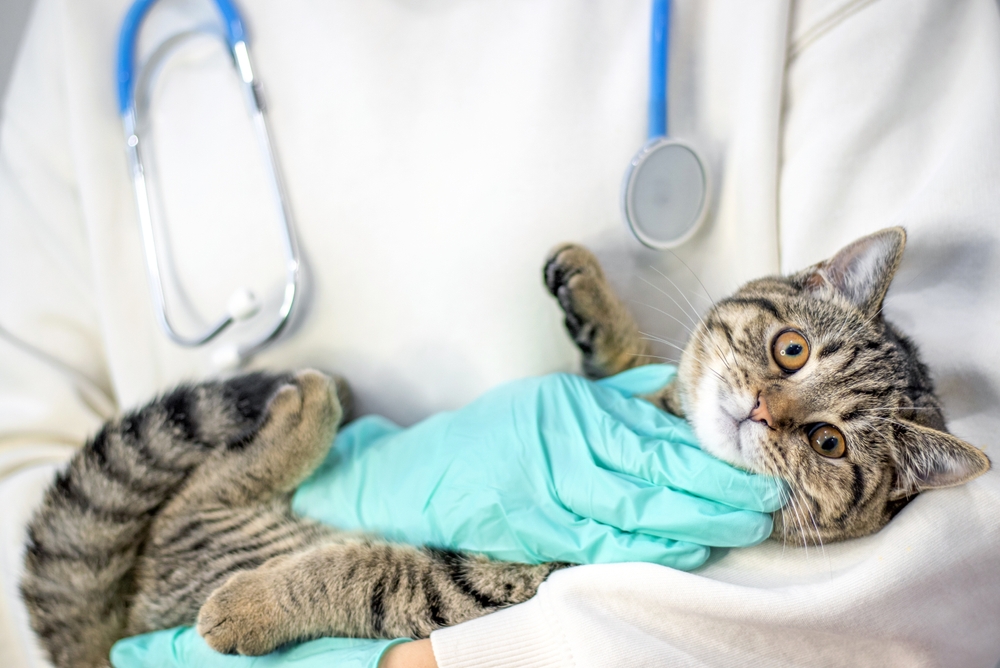
Cat surgery can range from routine procedures to highly specialized operations involving the abdomen, urinary system, bones, joints, or soft tissues. For cat owners in Huntington and across Long Island, understanding why these surgeries are performed can make an unfamiliar veterinary recommendation easier to navigate.
Quick answer: Some of the most common cat surgeries include spay and neuter procedures, mass removals, gastrointestinal surgery, urinary tract procedures, wound repair, and orthopedic surgery. The appropriate procedure depends on the cat’s diagnosis, age, overall health, and the location and severity of the problem. More complex conditions may require evaluation by a veterinary surgical specialist.
What local cat owners should know
-
Not every condition requiring surgery is an emergency, but certain symptoms warrant prompt veterinary evaluation.
-
Cats in Huntington may receive initial care from a primary veterinarian before being referred for specialized surgery.
-
Long Island pet owners may encounter both routine soft-tissue procedures and more complex orthopedic or internal surgeries.
-
Preoperative testing helps the veterinary team evaluate a cat’s health and plan anesthesia and surgical care.
-
Recovery requirements vary considerably depending on the procedure, so owners should follow the specific restrictions provided by their veterinary team.
Why Are Cats Referred for Surgery?
Cats are referred for surgery when an injury, disease, obstruction, abnormal growth, or other condition cannot be adequately treated through monitoring or medical management alone. Some procedures are planned in advance, while others become necessary after a sudden illness or injury.
A primary care veterinarian may identify the problem through an examination, blood testing, X-rays, ultrasound, or other diagnostics. Depending on the diagnosis and complexity of the procedure, a cat may then be referred to a veterinary surgeon.
For families in Huntington, nearby communities such as Melville and Commack, and elsewhere in Suffolk County, having access to specialty veterinary care can be especially important when a cat needs an advanced procedure.
Veterinary Surgical Center of Long Island provides surgical care for pets in the region. When cats are referred to us, our focus is on evaluating the individual condition and determining an appropriate surgical plan rather than treating every case the same way.
What Are the Most Common Soft-Tissue Surgeries for Cats?
Common soft-tissue surgeries for cats include gastrointestinal procedures, mass removals, wound repair, and operations involving internal organs or the urinary system. The exact surgery depends on which tissue or organ is affected and what diagnostic testing reveals.
One important example is gastrointestinal surgery. Cats sometimes swallow objects that cannot safely pass through the digestive tract. If an object becomes lodged in the stomach or intestines, surgical removal may be necessary.
Other cats need surgery to remove a mass for diagnostic or therapeutic reasons. The location, size, and surrounding structures can influence how the procedure is approached.
Cats can also require wound repair following significant trauma. Outdoor access, falls, and other accidents can result in injuries that require more than routine wound care.
What Urinary Surgeries Can Cats Need?
Cat urinary surgery may be recommended for certain obstructions, stones, anatomical problems, or recurring conditions that cannot be managed adequately with nonsurgical treatment. Urinary problems deserve prompt attention because a cat that cannot urinate normally can become seriously ill.
Male cats are particularly susceptible to urethral obstruction. Surgery is not required for every urinary blockage, but cats with complicated or recurring problems may need a surgical procedure based on their individual condition.
Huntington cat owners should seek prompt veterinary attention for repeated trips to the litter box with little or no urine, obvious straining, vocalization, vomiting, unusual hiding, or worsening lethargy. These signs should not simply be monitored at home while waiting for the problem to resolve.
What Orthopedic Surgeries Are Common in Cats?
Common orthopedic surgeries in cats address fractures, joint injuries, and other conditions affecting bones and the musculoskeletal system. The goal may be to stabilize an injury, restore comfortable function, or address a structural problem that cannot be managed effectively through rest and medication alone.
A fracture, for example, can occur after a fall or other significant trauma. Treatment depends on the location and configuration of the fracture as well as the cat’s overall condition.
Cats are skilled at hiding discomfort, which means an orthopedic problem may initially appear as subtle reluctance to jump, decreased activity, hiding, or an altered gait.
For pet owners throughout Huntington, Dix Hills, Greenlawn, and surrounding Long Island communities, persistent mobility changes are a good reason to arrange a veterinary examination rather than assuming a cat is simply becoming less active.
What Warning Signs May Point to a Surgical Problem?
Warning signs that may eventually lead to a surgical evaluation include persistent vomiting, difficulty urinating, significant wounds, sudden lameness, abdominal discomfort, and a newly discovered mass. These symptoms do not automatically mean a cat needs surgery, but they can indicate a condition requiring diagnostic evaluation.
Watch for:
-
Repeated vomiting or inability to keep food down
-
Straining to urinate or producing little to no urine
-
Sudden inability or reluctance to use a leg
-
A visible wound that is deep, extensive, or worsening
-
A new or changing lump
-
Noticeable abdominal pain or swelling
-
Significant appetite or activity changes
-
Persistent hiding accompanied by other signs of illness or pain
Because cats often conceal illness, changes in normal routines can be meaningful. Huntington owners who notice a combination of these signs should contact a veterinarian for guidance.
When Should You Call a Veterinarian?
You should contact a veterinarian promptly when your cat has severe or worsening symptoms, particularly difficulty urinating, significant trauma, repeated vomiting, or an abrupt decline in normal behavior. Waiting is not appropriate when a cat appears seriously ill or unable to perform basic functions normally.
Minor changes can sometimes be monitored according to a veterinarian’s advice. Suspected obstruction, major trauma, uncontrolled bleeding, or severe deterioration requires a much faster response.
A primary veterinarian can determine whether medical treatment is appropriate or whether referral to a surgical facility is warranted. For Long Island pet owners, that referral process can help connect a cat with the level of surgical care required for a complicated condition.
What Happens Before Cat Surgery?
Before cat surgery, the veterinary team evaluates the diagnosis, the cat’s general health, and factors that could affect anesthesia or the procedure itself. The specific preoperative process varies by patient and surgery.
Evaluation may include a physical examination, review of previous medical records, laboratory testing, and diagnostic imaging when appropriate. Owners also receive instructions about preparation based on their cat’s individual situation.
If your cat is referred to us from a veterinarian in Huntington, Northport, Huntington Station, or elsewhere in Suffolk County, bringing available medical records and diagnostic information can help provide important clinical context.
What Is Recovery Like After Cat Surgery?
Recovery after cat surgery depends on the procedure, but most cats need careful activity restriction, incision monitoring, medication as prescribed, and protection from licking or chewing the surgical area. Owners should follow their discharge instructions closely because different operations require different recovery plans.
A cat recovering from orthopedic surgery may need stricter movement limitations than a cat recovering from a smaller soft-tissue procedure. Some cats also need follow-up examinations or additional imaging.
Creating a quiet indoor recovery space can make postoperative management easier. Keep food, water, bedding, and the litter box accessible according to the veterinary team’s instructions, and prevent jumping or climbing when restrictions have been prescribed.
What Common Mistakes Should Cat Owners Avoid After Surgery?
The most common recovery mistakes involve allowing too much activity, permitting access to the incision, changing medications without veterinary direction, or ignoring new symptoms. A calm cat may appear ready for normal activity before the surgical site has adequately healed.
Mistake: Allowing unrestricted jumping because the cat seems comfortable.
Consequence: Excess movement can interfere with recovery after certain procedures.
Better approach: Follow the prescribed activity restrictions for the full recommended period.
Mistake: Removing an e-collar or other protective device too early.
Consequence: Licking or chewing can damage an incision.
Better approach: Use incision protection for as long as the veterinary team directs.
Mistake: Waiting on concerning postoperative changes.
Consequence: A developing complication may not receive timely evaluation.
Better approach: Contact the veterinary team when symptoms fall outside the recovery expectations you were given.
What Does a Common Local Referral Scenario Look Like?
A common Long Island referral scenario begins when a primary veterinarian identifies a condition requiring surgical expertise and sends the cat’s records or diagnostic findings to a surgical facility. This is an illustrative scenario, not a specific patient case.
For example, a cat in Huntington might develop repeated vomiting and loss of appetite. After examination and diagnostic testing, the primary veterinarian could identify a suspected gastrointestinal obstruction and recommend surgical referral. The surgical team would then evaluate the available findings, assess the patient, and determine the appropriate next steps.
The details can be very different for a fracture, mass, urinary condition, or other surgical problem.
What Veterinary Surgical Services Can Help?
Veterinary surgical services can address conditions involving soft tissues, bones, joints, and other anatomical structures when surgery is determined to be appropriate. The first step is establishing an accurate diagnosis and understanding whether surgical treatment offers a suitable path forward.
Our role is to work from the cat’s individual diagnosis and surgical needs. Depending on the case, specialty evaluation can also help owners better understand the proposed procedure, expected recovery process, and postoperative restrictions.
How Do Surgical and Nonsurgical Options Compare?
Surgical and nonsurgical treatment options depend on the diagnosis, because some feline conditions can be medically managed while others require a procedure to correct the underlying problem. The safest choice should be based on veterinary examination and diagnostic findings rather than whether one option initially seems easier.
Medication, rest, dietary management, or monitoring may be appropriate for certain problems. An obstruction, unstable fracture, or other structural condition may require a different approach.
Ask what each option is intended to accomplish, what recovery involves, and what risks may come with delaying treatment.
What Areas Do We Serve?
Our surgical services are accessible to pet owners from Huntington and surrounding Long Island communities seeking specialty veterinary care. Cats may be referred from communities throughout Suffolk County and other parts of the region, including Huntington Station, Melville, Dix Hills, Greenlawn, and Northport.
What Can Happen If a Surgical Condition Is Left Untreated?
An untreated surgical condition can lead to worsening pain, impaired function, additional tissue damage, or progression of the underlying illness, depending on the diagnosis. The consequences of waiting vary greatly, so owners should base timing decisions on veterinary guidance rather than symptoms alone.
This is particularly important when a cat has difficulty urinating, significant trauma, persistent gastrointestinal symptoms, or rapid deterioration.
FAQ
What are the most common reasons cats need surgery in Huntington?
Cats may need surgery for gastrointestinal obstructions, masses, urinary problems, wounds, fractures, joint conditions, and other diseases or injuries that require operative treatment. Huntington cat owners should start with a veterinary examination so the cause can be diagnosed and the appropriate treatment options discussed.
Does every cat referred to a surgeon need an operation?
No, a surgical referral does not automatically mean an operation will be performed. The purpose of specialty evaluation is to review the diagnosis, examine the patient as appropriate, and determine which treatment plan fits the individual condition. Recommendations depend on the findings for that particular cat.
Is difficulty urinating an emergency for a cat?
Difficulty passing urine can require urgent veterinary attention, especially when a cat repeatedly strains but produces little or no urine. Long Island owners should not assume this is ordinary litter-box behavior. Contact a veterinarian promptly for guidance because urinary obstruction can become a serious medical problem.
How can I prepare my cat for surgery in Huntington?
Follow the specific preparation instructions provided by the veterinary team performing your cat’s procedure. Requirements can differ based on the cat, surgery, medications, and medical history. Do not independently change medications or feeding routines unless instructed to do so by the veterinary professionals managing the procedure.
How long does a cat take to recover from surgery?
Recovery time varies according to the type and complexity of surgery as well as the cat’s individual health. A minor soft-tissue procedure and a major orthopedic operation can have very different timelines. Your surgical team should provide restrictions and follow-up recommendations tailored to your cat.
How do I keep my cat calm after surgery?
A quiet, controlled indoor environment can help limit unwanted activity after surgery. Owners in Huntington should follow any instructions concerning confinement, jumping, stairs, incision protection, and exercise. The appropriate level of restriction depends on the procedure, so use the discharge plan rather than a generic recovery schedule.
When should I check my cat’s surgical incision?
Monitor the incision according to the instructions provided at discharge and contact the veterinary team if you notice concerning changes. Because normal appearance can differ by procedure and stage of healing, owners should rely on the specific postoperative guidance they receive rather than attempting to diagnose an incision themselves.
Can my regular veterinarian refer my cat for specialty surgery?
Yes, primary veterinarians commonly refer cats for specialty surgical evaluation when a condition requires additional surgical expertise or resources. Veterinarians throughout Huntington and the surrounding Suffolk County area can identify conditions through examination and diagnostics and recommend referral when appropriate.
Get Specialized Surgical Care for Your Long Island Cat
A recommendation for surgery can bring plenty of questions, but understanding the diagnosis, procedure, and recovery plan can help you make informed decisions for your cat. We work with pet owners and referring veterinarians to address surgical conditions based on each patient’s individual needs.
Help your cat get the surgical evaluation their condition requires.