
Cats are known for their mysterious behavior, and sometimes that includes vomiting. While the occasional hairball may not raise alarm bells, frequent or unexplained vomiting can signal a deeper issue. Many cat owners have typed “my cat is vomiting” into search engines in hopes of understanding what’s going on. There are a variety of reasons behind feline vomiting, ranging from harmless to serious, and it is crucial to understand these causes to know when to take action.
Vomiting in cats can be acute (sudden and short-lived) or chronic (happening over a longer period). A single episode may not be concerning, but if it becomes frequent or is accompanied by other symptoms like lethargy, diarrhea, or appetite loss, it’s time to pay closer attention. In some cases, vomiting is your cat’s natural response to ingesting something that doesn’t agree with its digestive system. In others, it may be an indicator of illness that requires medical attention.
Hairballs and Overgrooming
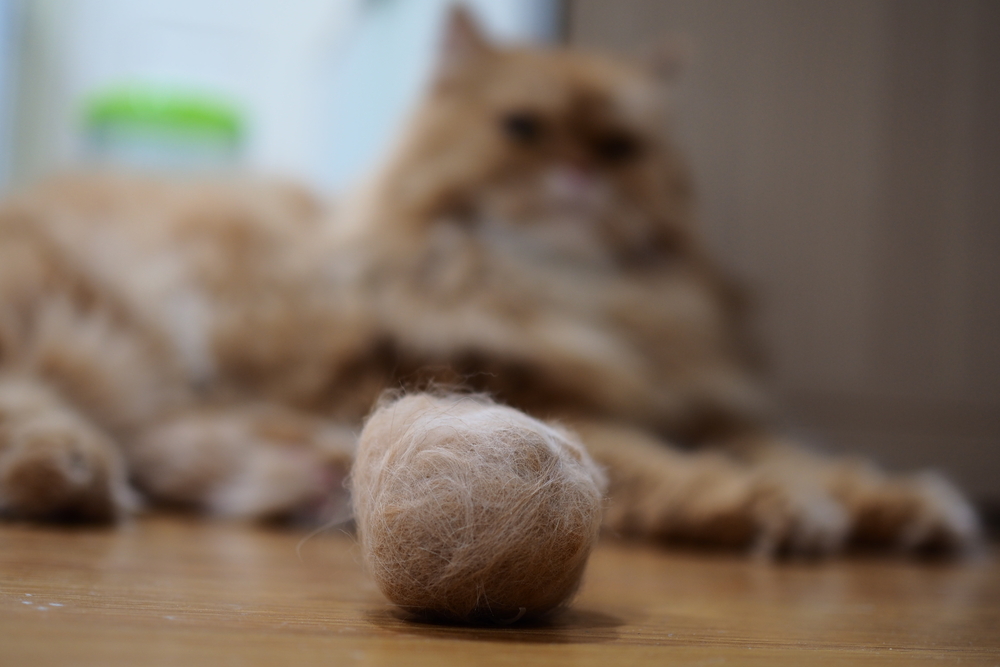
One of the most common and least concerning reasons a cat might vomit is due to hairballs. As meticulous groomers, cats often ingest loose hair. Most of this passes through the digestive system without issue, but sometimes it accumulates in the stomach and is expelled as a hairball.
Long-haired breeds like Persians and Maine Coons are particularly prone to this issue. Cats that groom excessively due to stress or allergies may also vomit more frequently. If you find a cylindrical mass in your cat’s vomit, it’s likely a hairball. Occasional hairballs are normal, but if your cat is vomiting hairballs more than once or twice a month, it may suggest a grooming issue or an underlying skin condition that needs addressing.
Dietary changes, stress, or digestive aids like fiber-rich treats can help reduce hairball frequency. However, persistent hairball vomiting could also cause intestinal blockages, which would require veterinary intervention.
Eating Too Quickly or Dietary Indiscretion
Another common reason for vomiting is eating too quickly. Some cats gobble down their food and immediately vomit it back up. This type of vomiting usually happens soon after eating and often looks like undigested food. This condition, known as regurgitation, is usually less serious than true vomiting, but it can be corrected by using slow feeder bowls or feeding smaller portions more frequently.
Cats can also vomit due to dietary indiscretion. This happens when they eat something inappropriate or toxic, such as spoiled food, plants, string, or household chemicals. Even a sudden change in diet can irritate their stomach. If your cat starts vomiting after getting into the trash, chewing on houseplants, or switching food brands without a gradual transition, this may be the cause.
If vomiting continues or if you suspect your cat has ingested something toxic, you should not wait. This is a situation where the question “when should you see a vet” has a simple answer: immediately.
Food Allergies and Intolerances
Just like humans, cats can develop allergies or sensitivities to certain ingredients in their food. Common culprits include beef, chicken, dairy, and grains. If your cat has chronic vomiting, especially after eating, it could be due to a food allergy or intolerance. You might also notice skin issues, itching, or ear infections alongside the vomiting.
Diagnosing a food allergy usually involves feeding your cat a hypoallergenic diet for several weeks and monitoring for changes. This elimination process can be time-consuming, but it’s often effective in identifying the offending ingredient.
Switching to a limited-ingredient or novel protein diet under your vet’s guidance can reduce symptoms. Keep in mind that food-related vomiting usually resolves once the dietary cause is removed. If not, something more serious could be at play.
Underlying Medical Conditions
Vomiting can be a symptom of several underlying health issues. Gastrointestinal disorders like inflammatory bowel disease (IBD), pancreatitis, or parasites can cause repeated vomiting. These conditions often require diagnostic testing and long-term management. If your cat is vomiting bile, has diarrhea, or is losing weight, this is more than just a dietary issue.
Systemic diseases like kidney failure, hyperthyroidism, or liver disease can also present with vomiting as an early sign. These are more common in older cats, but not exclusive to them. For instance, chronic kidney disease is a leading cause of vomiting in senior felines. When kidneys lose their ability to filter toxins from the blood, nausea and vomiting often result.
Vomiting may also indicate cancer, especially if it is persistent and unresponsive to treatment. While rare in younger cats, it’s something to consider when dealing with chronic vomiting that doesn’t improve with dietary changes or medications.
In any of these situations, you must consult your local veterinarian for proper diagnosis and treatment. If you find yourself constantly wondering “when should you see a vet,” it is usually a sign that you already should.
When Should You See Your Vet?
It can be tricky to decide when vomiting is serious enough for a vet visit. The occasional hairball or minor stomach upset might not be concerning, but some signs should not be ignored. If your cat is vomiting repeatedly in one day, shows signs of pain, is lethargic, refuses to eat or drink, or has blood in the vomit, it’s time for immediate veterinary care.
Chronic vomiting, even if mild, warrants a vet visit as well. Cats are masters at hiding illness, and vomiting may be the only external sign that something is wrong. Early intervention can prevent more serious complications and improve outcomes.
Also, take note of changes in your cat’s behavior or appetite. A cat that stops eating for more than 24 hours should always be evaluated by a vet, regardless of other symptoms. Dehydration can set in quickly, especially if vomiting is involved, and cats are particularly sensitive to going without food for prolonged periods.
If you ever find yourself searching online and repeatedly typing “my cat is vomiting,” and you’re unsure what to do next, the safest route is to consult a professional. Peace of mind and your cat’s health are worth it.
Conclusion
Vomiting in cats can stem from simple causes like hairballs or eating too fast, but it can also point to serious health conditions that require veterinary attention. Understanding the patterns, frequency, and associated symptoms of your cat’s vomiting can help you decide on the appropriate course of action.
While the occasional upset stomach may not be alarming, regular or severe vomiting should never be ignored. From dietary sensitivities to chronic diseases, the reasons vary, but the need for a timely response remains the same. If you’re asking yourself “when should you see a vet,” trust your instincts. It’s better to be cautious and seek medical advice than to overlook a potentially serious issue.
Your cat’s health and well-being rely on your attentiveness. By staying informed and knowing what signs to watch for, you can ensure your feline friend gets the care they need, right when they need it.
Need Veterinary Surgical Care Near You?
At Veterinary Surgical Center of Long Island, we understand how important your pet’s health is, which is why we are here to provide expert care during emergencies and complex surgical procedures. Whether your pet is facing a critical emergency or needs specialized surgery, our team in Huntington, NY, is ready to offer life-saving treatment with the latest technology and compassionate care. If your pet requires emergency attention or advanced surgical care, don’t hesitate to reach out to us. We’re committed to working alongside you and your primary care veterinarian to create a personalized treatment plan that ensures the best possible outcome for your furry family member. Contact us today and let us help your pet get back to a healthier, happier life.

