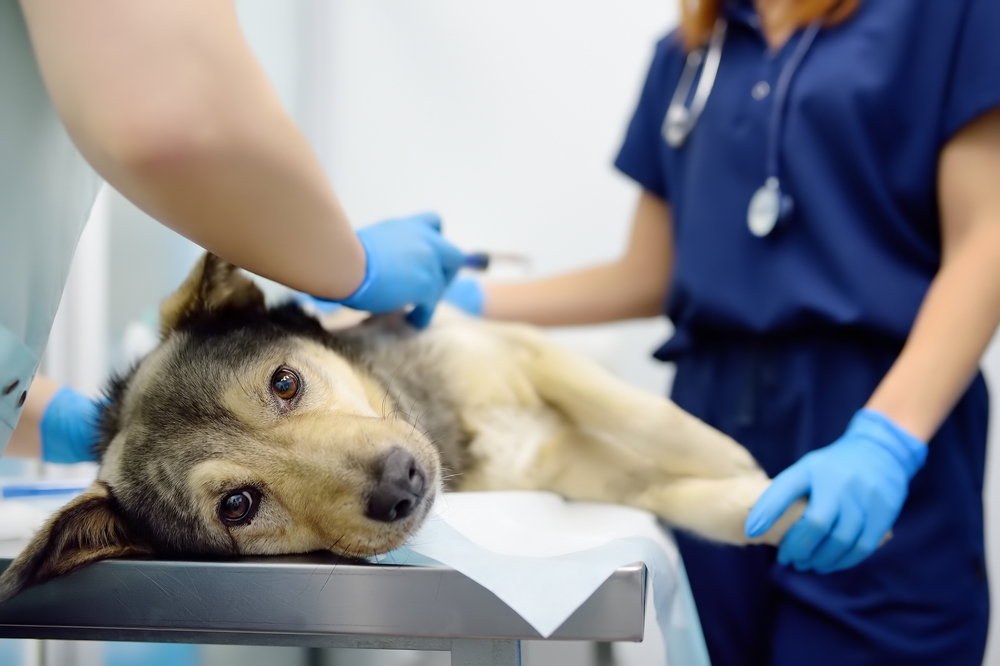
When your beloved pet faces a sudden health crisis, knowing what to expect during an emergency vet visit can help you remain calm and make informed decisions for your furry companion. A veterinary emergency room in Huntington, NY, provides critical care when your regular veterinarian’s office is closed, and understanding the emergency vet process explained will prepare you for this stressful situation. This guide walks you through the entire pet emergency care process, from the moment you arrive at a 24-hour animal hospital visit until your pet receives the necessary treatment.
Initial Assessment and Intake Process
The first step of your emergency vet process explained begins the moment you walk through the doors of the veterinary emergency room in Huntington, NY. The staff will greet you and ask you to complete intake paperwork that includes your pet’s medical history, current medications, and a description of the symptoms you’ve observed. This information is crucial for the veterinarian to understand what to expect at an emergency vet visit and to prioritize your pet’s case appropriately.
You should be prepared to provide detailed information about when the symptoms started, what you’ve noticed about your pet’s behavior, and any recent changes in eating, drinking, or bathroom habits. The intake staff will ask about your pet’s vaccination history and any existing medical conditions. This is not the time to be vague; the more specific information you can provide, the better equipped the veterinary team will be to diagnose and treat your pet’s condition. If you have your pet’s vaccination records or medical history from your regular veterinarian, bring these documents along. The 24-hour animal hospital visit staff can then contact your primary care veterinarian if needed to access additional medical information.
Triage and Priority Assignment
Once the intake process is complete, the veterinary staff will perform a triage assessment to determine the urgency of your pet’s condition. This is a critical part of what to expect at an emergency vet visit because it determines how quickly your pet will be seen by a veterinarian. The triage nurse will take your pet’s vital signs, including temperature, heart rate, respiratory rate, and blood pressure. They may also perform a brief physical examination to assess your pet’s overall condition.
Depending on the severity of your pet’s symptoms, your pet will be assigned a priority level. Life-threatening emergencies, such as difficulty breathing, severe bleeding, loss of consciousness, or signs of extreme pain, will be seen immediately. Urgent cases that require prompt attention but are not immediately life-threatening may have a slightly longer wait. Non-emergency cases that can be handled during regular business hours might be referred back to your regular veterinarian. While waiting, the triage staff will monitor your pet’s condition and alert the veterinarian if your pet’s status changes. This ongoing monitoring is essential to ensure your pet receives appropriate care during their veterinary emergency room visit in Huntington, NY.
Diagnostic Testing and Examination
When the veterinarian is ready to see your pet, they will conduct a thorough examination and may recommend various diagnostic tests to determine the cause of your pet’s illness or injury. Understanding the pet emergency care process means knowing that this examination phase can take some time, especially if multiple tests are needed. The veterinarian may order blood work, urinalysis, X-rays, ultrasounds, or other imaging studies depending on your pet’s symptoms and medical history.
Diagnostic testing helps the veterinary team make an accurate diagnosis and develop an appropriate treatment plan. Blood tests can reveal infections, organ dysfunction, diabetes, and many other conditions. X-rays and ultrasounds provide detailed images of your pet’s internal organs and can identify fractures, blockages, or other structural problems. While these tests take time to process and analyze, they are essential for proper diagnosis. During this phase of the emergency vet process explained, you may be asked to wait in the reception area while your pet is being evaluated and tested in the treatment area. The veterinary staff will keep you updated on your pet’s condition and the progress of the diagnostic workup.
Treatment Planning and Communication
Once the veterinarian has completed the examination and received the results of diagnostic tests, they will discuss their findings with you and present a treatment plan. This is an important part of what to expect at an emergency vet visit because it allows you to understand your pet’s condition and make informed decisions about care. The veterinarian will explain what is wrong with your pet, why specific treatments are recommended, and what the expected outcomes might be.
The treatment plan may include medications, IV fluids, pain management, surgery, or other interventions depending on your pet’s condition. The veterinary team will discuss the costs associated with each treatment option so you understand the financial commitment required. Many emergency clinics can provide estimates, though the final bill may vary depending on your pet’s response to treatment and the length of hospitalization. You have the right to ask questions about the diagnosis, treatment options, and prognosis. Do not hesitate to advocate for your pet and request clarification if you do not understand any aspect of the recommended care. This open communication ensures that your pet receives the care you want while you remain informed throughout the 24-hour animal hospital visit.
Hospitalization and Follow-Up Care
Depending on the severity of your pet’s condition, they may require hospitalization for continued monitoring and treatment. During hospitalization at a veterinary emergency room in Huntington, NY, your pet will be placed in a comfortable area where the staff can monitor vital signs, administer medications, and provide necessary care around the clock. The length of hospitalization depends on your pet’s condition and response to treatment. Some pets may be discharged after a few hours, while others may require overnight or extended care.
Before your pet is discharged, the veterinarian will provide detailed instructions for at-home care, including medication administration, diet restrictions, activity limitations, and when to schedule a follow-up appointment with your regular veterinarian. They will also provide a summary of the diagnosis, treatments provided, and recommendations for ongoing care. It is important to follow these instructions carefully to ensure your pet’s full recovery. Schedule a follow-up appointment with your regular veterinarian within the timeframe recommended by the emergency clinic. Your primary care veterinarian will monitor your pet’s progress and can address any complications that may arise. This continuity of care is essential for a successful recovery and helps prevent future emergencies.
Preparing for Emergency Situations
While you cannot prevent every emergency, preparing in advance can reduce stress and ensure you are ready if your pet needs care at a 24-hour animal hospital visit. Keep your pet’s vaccination records, medical history, and a list of current medications in an easily accessible location. Know the location of the nearest emergency veterinary clinic and keep the phone number stored in your phone and posted in an obvious place at home. Discuss payment options with your emergency clinic ahead of time so you are prepared for the financial aspects of emergency care. Ask your regular veterinarian for a referral to a reputable emergency clinic in your area.
Having pet insurance or setting aside an emergency fund for veterinary care can help you make decisions based on what is best for your pet rather than financial constraints. CPR and first aid certification for pets can be valuable if you want to provide immediate help while transporting your pet to the emergency clinic. Remember that the veterinary team at the emergency vet process explained facility is there to help you and your pet during a crisis. They understand that you are worried and stressed, and they are committed to providing the best possible care for your beloved companion.
Conclusion
Knowing what to expect at an emergency vet visit in Huntington, NY, helps you navigate this challenging experience with confidence and clarity. From intake and triage through diagnosis, treatment, and follow-up care, each step of the pet emergency care process is designed to provide your pet with the best possible outcome. By understanding the veterinary emergency room visit process and preparing in advance, you can ensure that you and your pet are ready for any emergency that may arise.
Need Veterinary Surgical Care Near You?
At Veterinary Surgical Center of Long Island, we understand how important your pet’s health is, which is why we are here to provide expert care during emergencies and complex surgical procedures. Whether your pet is facing a critical emergency or needs specialized surgery, our team in Huntington, NY, is ready to offer life-saving treatment with the latest technology and compassionate care. If your pet requires emergency attention or advanced surgical care, don’t hesitate to reach out to us. We’re committed to working alongside you and your primary care veterinarian to create a personalized treatment plan that ensures the best possible outcome for your furry family member. Contact us today and let us help your pet get back to a healthier, happier life.