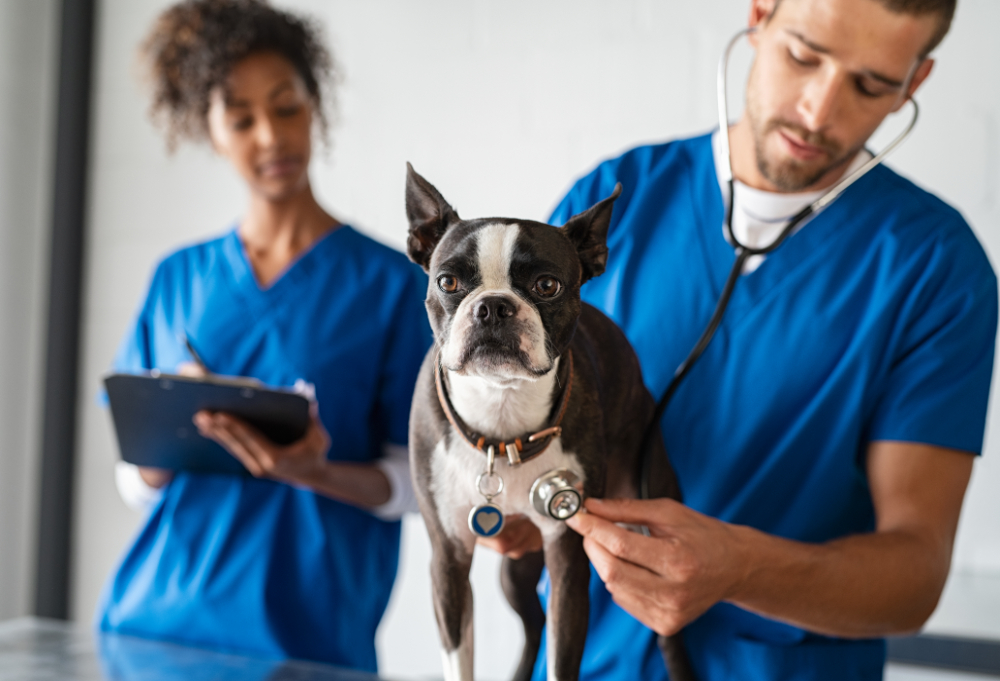
Hearing that your pet needs surgery can be an overwhelming moment. Whether it is a routine spay or neuter, an orthopedic procedure, or an emergency operation, the experience can feel stressful and uncertain for any pet owner. The good news is that veterinary medicine has advanced tremendously, and Long Island is home to some outstanding veterinary surgical centers staffed by highly skilled professionals who are dedicated to your pet’s care. Understanding what lies ahead can make a tremendous difference in how you and your furry family member navigate the process together.
Understanding the Need for Veterinary Surgery on Long Island
When your primary care veterinarian recommends veterinary surgery on Long Island, it typically means that your pet has a condition that cannot be adequately treated through medication or other non-invasive methods alone. Common reasons pets require surgery include soft tissue procedures such as mass removals, gastrointestinal repairs, and bladder stone removals. Orthopedic issues like torn cruciate ligaments, fractures, and hip problems are also frequent reasons pet owners find themselves seeking a veterinary surgical center on Long Island.
Your veterinarian will usually provide a referral to a board-certified veterinary surgeon when the procedure requires a higher level of expertise. Board-certified surgeons have completed years of advanced residency training beyond veterinary school, meaning your pet is in exceptionally qualified hands. If you live in or around Huntington, NY, or anywhere across Long Island, you have access to reputable surgical facilities that prioritize both safety and compassionate care.
Before agreeing to any procedure, do not hesitate to ask questions. Ask your vet to explain the diagnosis clearly, outline the surgical approach, describe the risks involved, and walk you through what recovery will look like. A good veterinary team will welcome your questions and make sure you feel informed every step of the way.
Pre-Surgery Preparations: What You Need to Do
Preparing your pet for surgery involves more than just dropping them off at the clinic. In the days leading up to the procedure, your veterinarian will likely recommend pre-surgical bloodwork and diagnostic testing to assess your pet’s overall health and ensure they are a safe candidate for anesthesia. This is a standard part of pet surgery in Huntington, NY, and across Long Island, and it helps catch any underlying conditions that could complicate the procedure.
One of the most important instructions you will receive is to withhold food from your pet the night before surgery. This is critical because anesthesia can cause nausea, and an empty stomach reduces the risk of your pet aspirating during the procedure. Water restrictions may also apply depending on the specific surgery, so follow your veterinary team’s guidance precisely.
You should also prepare your home in advance. Set up a quiet, comfortable recovery space away from other pets and high-traffic areas of the house. Have soft bedding, easy access to water, and any prescribed medications ready before your pet comes home. A little preparation goes a long way in making the transition from surgical center to home as smooth as possible.
On the morning of the procedure, stay calm. Pets are incredibly perceptive and can pick up on your anxiety. Speak to them in a soothing tone, keep the routine as normal as possible, and trust the team you have chosen to care for them.
The Day of Surgery: What Happens at the Veterinary Surgical Center
Dropping your pet off at a veterinary surgical center on Long Island can be emotionally difficult, especially if your companion is nervous or confused. The staff at these facilities are trained to handle anxious animals with patience and compassion, so take comfort in knowing your pet will be in caring hands.
Upon arrival, you will typically check in with a surgical coordinator or technician who will review consent forms with you, confirm the procedure details, and answer any last-minute questions. An intravenous catheter is usually placed before surgery to allow for fluid support and medication administration during the procedure.
Anesthesia monitoring during veterinary surgery is thorough and constant. Trained veterinary technicians monitor your pet’s heart rate, blood pressure, oxygen levels, and temperature throughout the operation. Modern anesthesia protocols have made surgery significantly safer for pets of all ages and sizes. After the procedure is complete, your pet will be moved to a recovery area where they will be monitored closely as the anesthesia wears off.
Most facilities will call you with an update once surgery is complete and your pet is stable. This call is one of the most reassuring moments of the entire experience, and you should feel comfortable calling the clinic if you have not heard from them within a reasonable timeframe.
Pet Surgery Recovery Tips to Support Healing at Home
Once your pet is home, the real work of recovery begins. Following your veterinarian’s post-operative care instructions to the letter is absolutely essential. Ignoring or shortcutting these guidelines can lead to complications that delay healing or, in serious cases, require a return visit to the surgical center.
Among the most important pet surgery recovery tips is keeping your pet calm and restricting their activity. This means no running, jumping, or rough play for the duration of the prescribed rest period, which can range from a few days to several weeks depending on the procedure. For dogs especially, leash walks only are typically required during this time.
Monitoring the incision site daily is also critical. Look for signs of infection such as redness, swelling, discharge, or a foul odor. Some mild bruising and swelling immediately after surgery is normal, but any worsening symptoms should be reported to your vet promptly. Use an Elizabethan collar (the cone of shame) as directed to prevent your pet from licking or chewing at the wound.
Pain management is another key component of recovery. Your veterinarian will likely send your pet home with medications to control discomfort. Administer these exactly as prescribed, and never give your pet over-the-counter human pain relievers such as ibuprofen or acetaminophen, as these can be toxic to animals. Follow-up appointments are scheduled for a reason, so keep them even if your pet appears to be doing well.
Nutrition and hydration also play an important role in recovery. Your pet may have a reduced appetite in the first day or two following surgery, which is normal. Offer small, easily digestible meals and make sure fresh water is always available. If your pet refuses to eat for more than 48 hours, contact your veterinary team.
Choosing the Right Veterinary Surgical Center on Long Island
Not all surgical facilities are the same, and choosing the right veterinary surgical center on Long Island can have a meaningful impact on your pet’s outcome. When evaluating your options, consider the qualifications of the surgical team, the availability of advanced diagnostic equipment, and the facility’s approach to pain management and post-operative care.
For pet owners in Huntington, NY, and the surrounding communities, it is worth asking your primary care veterinarian for a referral to a specialist they trust and have worked with before. Personal recommendations carry significant weight in veterinary medicine. You can also review online testimonials and ask the surgical center about their protocols, emergency after-hours care, and how they communicate with pet owners throughout the process.
Touring the facility before the procedure is also a reasonable request. A reputable center will be happy to show you around and introduce you to the team. Feeling confident in your choice will not only ease your own stress but can also create a calmer environment for your pet.
Conclusion
Pet surgery is never easy, but being prepared makes all the difference. By understanding what to expect at every stage, from pre-surgical preparation and the day of the procedure to recovery at home, you can be the best possible advocate for your pet. Long Island offers excellent resources for veterinary surgery, and with the right team by your side, your companion has every chance of returning to a happy, healthy life.
Need Veterinary Surgical Care Near You?
At Veterinary Surgical Center of Long Island, we understand how important your pet’s health is, which is why we are here to provide expert care during emergencies and complex surgical procedures. Whether your pet is facing a critical emergency or needs specialized surgery, our team in Huntington, NY, is ready to offer life-saving treatment with the latest technology and compassionate care. If your pet requires emergency attention or advanced surgical care, don’t hesitate to reach out to us. We’re committed to working alongside you and your primary care veterinarian to create a personalized treatment plan that ensures the best possible outcome for your furry family member. Contact us today and let us help your pet get back to a healthier, happier life.