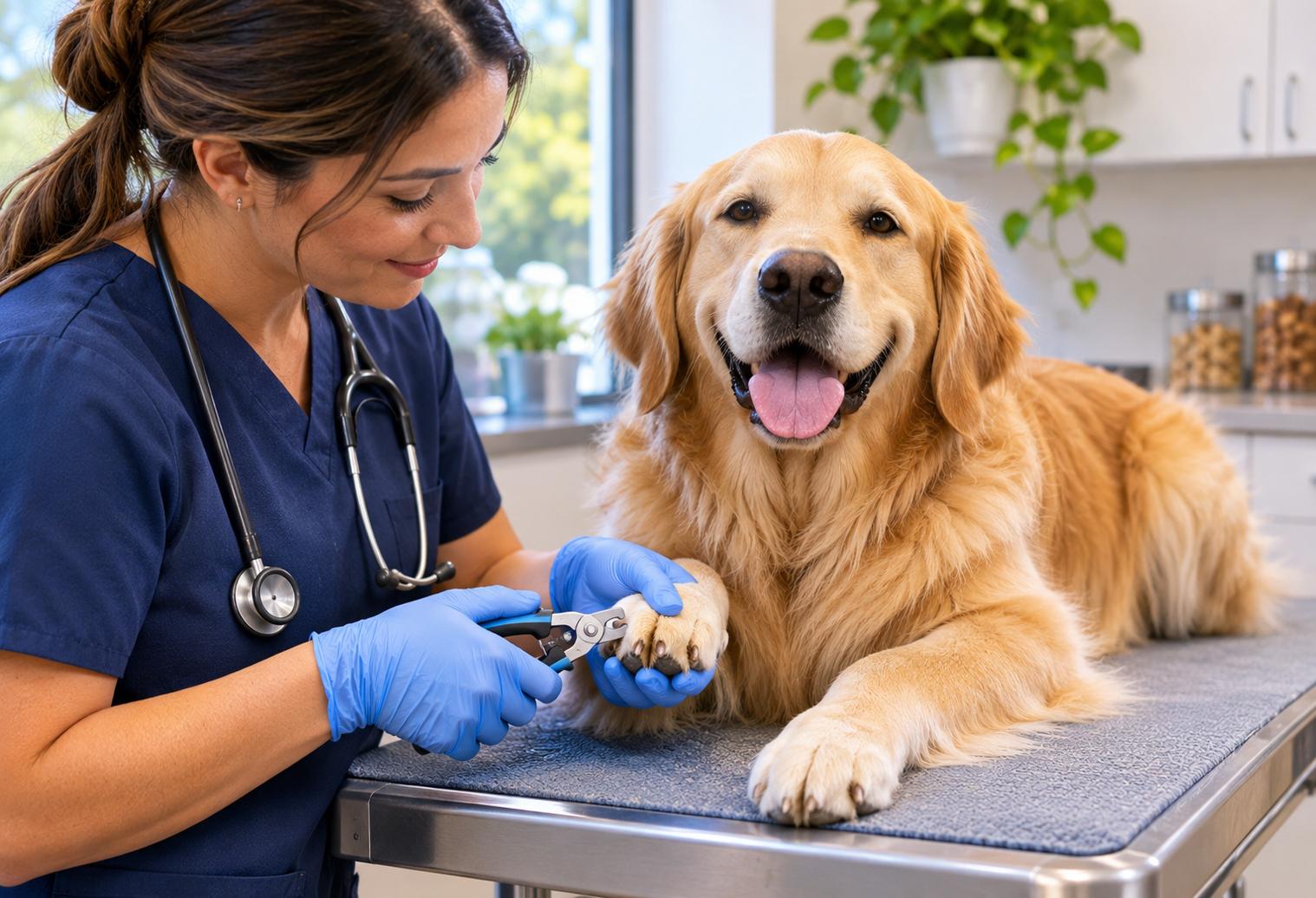
Whether your dog loves exploring the trails around Huntington, taking walks through neighborhood parks, or curling up beside you on the couch, healthy paws play an important role in keeping them comfortable. However, while most Long Island pet parents remember to brush their dog’s coat and schedule regular veterinary visits, nail trimming is one part of routine care that’s surprisingly easy to overlook. Maybe your dog gets nervous whenever the clippers come out, or perhaps you’re unsure whether their nails are actually too long. Whatever the situation, maintaining an appropriate nail length is about much more than keeping your dog looking well-groomed.
Regular dog nail care helps prevent discomfort, reduce the risk of broken or snagged nails, and support comfortable walking. When nails become excessively long, they may press against the ground, affect how a dog positions its paws, or become caught on carpets and other surfaces. The appropriate trimming schedule depends on your dog’s nail growth, activity level, and the surfaces they regularly walk on.
Here’s what Long Island dog owners should know:
-
Overgrown dog nails can interfere with comfortable walking and may contribute to changes in how a dog places weight on its paws.
-
Dogs that frequently walk on paved sidewalks in Nassau and Suffolk Counties may naturally wear down their nails more than dogs spending most of their time on grass.
-
Regular nail checks are particularly helpful for older dogs and pets with existing mobility limitations.
-
Safe nail trimming involves avoiding the quick, which contains sensitive nerves and blood vessels.
-
Dogs with severely overgrown, injured, or painful nails should receive professional veterinary attention rather than having the problem handled through forceful trimming.
At Veterinary Surgical Center of Long Island, we understand that keeping pets healthy involves paying attention to their comfort, mobility, and overall well-being. Our Huntington-based emergency and specialty referral hospital provides advanced veterinary care, including orthopedic surgery and treatment for injuries and other medical conditions. While routine nail trimming is generally handled by a primary care veterinarian or professional groomer, recognizing paw problems early is an important part of protecting your dog’s health.
Why Is Nail Trimming Important for Dogs?
Nail trimming is important for dogs because excessively long nails can become uncomfortable, interfere with normal paw positioning, and increase the likelihood of snagging or breaking. Maintaining a suitable nail length helps dogs move more comfortably and reduces avoidable problems involving the nails and surrounding tissues.
Supporting Comfortable Walking
Your dog’s paws are designed to support their weight and provide traction during everyday movement. When nails become too long, they may contact the ground in ways that change how the toes are positioned.
This can be particularly uncomfortable when walking on hard surfaces. For dogs that regularly accompany their owners through Huntington Village, along neighborhood sidewalks, or around local parks, appropriate nail length helps support comfortable activity.
Reducing the Risk of Broken Nails
Long nails are more likely to catch on carpeting, blankets, outdoor debris, or uneven surfaces. When a nail snags or breaks, it can expose sensitive tissue and cause pain or bleeding.
Maintaining appropriate nail length helps reduce these risks, although accidents can still happen even when nails are properly maintained. Owners should check their dogs’ paws regularly for cracks, splits, and other visible problems.
Supporting Overall Paw Health
Dog nail care also provides an opportunity to inspect the toes, paw pads, and surrounding skin. During these checks, owners may notice swelling, irritation, foreign material, or other changes that deserve attention.
These observations are particularly useful for pets that don’t readily show discomfort. However, nail trimming alone cannot prevent every paw injury, orthopedic condition, or mobility problem.
How Can Overgrown Dog Nails Affect Mobility?
Overgrown dog nails can affect mobility by changing how a dog’s toes contact the ground and potentially making normal walking less comfortable. The effects vary depending on nail length, paw structure, activity level, and whether the dog already has an orthopedic or neurological condition.
Changes in Paw Positioning
When nails grow long enough to make continuous contact with the floor, they can place additional pressure on the toes. Some dogs may respond by adjusting how they stand or move to avoid discomfort.
These changes don’t necessarily mean a serious orthopedic problem has developed. However, persistent alterations in posture or gait deserve veterinary evaluation rather than being attributed entirely to nail length.
Additional Concerns for Senior Dogs
Older dogs may already experience stiffness, arthritis, or reduced mobility. Excessively long nails can add another source of discomfort when walking or standing.
For senior pets throughout Nassau and Suffolk Counties, consistent paw care is one practical way to support everyday comfort. Owners should also watch for reluctance to climb stairs, difficulty rising, or changes in activity that could indicate a separate medical concern.
Why Persistent Limping Needs Attention
A dog that limps may have a damaged nail, but limping can also result from injuries or conditions affecting the muscles, joints, bones, or nerves. Trimming the nails should never be assumed to resolve unexplained lameness.
Our veterinary specialists evaluate orthopedic and other medical problems that may require advanced diagnostic care. When a dog develops persistent limping or significant difficulty walking, a primary care veterinarian can determine whether specialty assessment is appropriate.
How Often Should You Trim a Dog’s Nails?
Most dogs benefit from having their nails checked regularly, with many needing trimming approximately every 3 to 4 weeks. However, the appropriate schedule varies considerably based on individual nail growth, activity, age, and how much natural wear occurs during daily movement.
Activity Level Makes a Difference
Dogs that regularly walk on concrete or pavement may naturally wear down some of their nails. Those spending most of their time on grass, carpeting, or soft ground may need more frequent trimming.
For example, a dog taking daily walks on paved streets in Huntington Station may have different nail maintenance needs than one primarily exercising in a grassy backyard in Smithtown. Neither routine automatically determines the correct schedule, so regular inspection remains important.
Watch for Visible Signs of Overgrowth
A clicking sound when your dog walks across a hard floor can be a useful indication that the nails are getting long. You may also notice the nails extending beyond the paw pads, curling toward the toes, or catching on fabrics.
However, some dogs naturally have different paw shapes and nail positions. Your veterinarian or groomer can help establish an appropriate nail length for your particular dog.
Don’t Forget the Dewclaws
Dewclaws are nails located higher on the inside of the leg, although their number and position vary among dogs. Because many dewclaws don’t regularly contact the ground, they may not wear down naturally.
Without regular attention, these nails can become unusually long or curl toward the skin. Including them in routine paw inspections helps owners identify potential problems before they cause discomfort.
How Can You Trim Your Dog’s Nails Safely at Home?
Safe dog nail trimming involves using appropriate grooming tools, handling your dog’s paws gently, and removing only small amounts of nail while avoiding the quick. Owners should work gradually and stop if their dog becomes distressed, struggles intensely, or shows signs of pain.
Understanding the Quick
The quick is the sensitive tissue inside a dog’s nail that contains blood vessels and nerves. Cutting into it can cause pain and bleeding, which is why identifying its approximate location is an essential part of safe trimming.
In dogs with lighter nails, the quick may appear as a pinkish area inside the nail. Dark nails make this tissue more difficult to see, so extra caution and professional guidance are especially valuable.
Choosing Clippers or Grinders
Dog nail clippers and nail grinders are both commonly used grooming tools. The best choice depends on your dog’s nail thickness, tolerance for handling, and your comfort using the equipment.
Clippers remove small portions of nail, while grinders gradually shorten and smooth the surface. However, grinders can create heat through friction and may frighten dogs that are sensitive to noise or vibration.
Keep Trimming Sessions Short
Rather than attempting to trim every nail immediately, begin by helping your dog feel comfortable with having its paws handled. Gentle praise, appropriate treats, and short practice sessions can make the experience more predictable.
Once your dog is relaxed, you can gradually introduce the grooming tool without rushing the process. If your dog becomes frightened or resistant, stop and seek professional guidance instead of trying to force cooperation.
How Can You Make Nail Trimming Less Stressful for Your Dog?
Making nail trimming less stressful involves gradually introducing paw handling, rewarding calm behavior, and allowing your dog to become familiar with grooming equipment at a comfortable pace. Positive reinforcement is generally more helpful than restraint or pressure, especially for dogs that have previously experienced uncomfortable nail trims.
Start With Paw Handling
Some dogs dislike having their feet touched, even when no grooming tools are involved. Begin with brief, gentle contact when your dog is relaxed and reward calm behavior.
Over time, your dog may become more comfortable with having individual toes and nails examined. These exercises can also make routine paw inspections easier between grooming appointments.
Introduce Tools Gradually
Allow your dog to see and become familiar with the clippers or grinder before attempting a trim. If you’re using a grinder, the sound and vibration may require additional gradual introductions.
For anxious dogs, this process may take multiple sessions rather than a single afternoon. Patience is important because pushing too quickly can reinforce negative associations with grooming.
Know When to Stop
A successful nail care session doesn’t have to involve trimming every nail. Even calmly handling a paw or trimming one nail can represent meaningful progress for a nervous dog.
If your dog growls, snaps, panics, or cannot remain comfortable, discontinue the attempt. A veterinarian or qualified professional groomer can help determine a safer approach.
What Happens if Your Dog’s Nails Become Severely Overgrown?
Severely overgrown dog nails can curl, snag, split, or press into nearby tissues, sometimes causing pain or injury. These situations require careful assessment because trimming too much nail at once may damage the quick, particularly when the sensitive tissue has extended farther along the nail.
Why Gradual Correction Matters
The quick may become longer as the nail grows over time. This means a severely overgrown nail cannot always be shortened to an ideal length during one trimming session.
A veterinarian or experienced groomer may recommend a gradual trimming schedule based on the nail’s condition. Owners should avoid attempting aggressive cuts to correct months of overgrowth immediately.
When a Nail Injury Needs Veterinary Care
A cracked nail, persistent bleeding, swollen toe, or nail growing into the paw pad needs professional attention. These problems can be painful and may involve tissue damage or infection.
For Long Island pet parents, contacting a primary care veterinarian promptly is appropriate when a nail appears injured or infected. More complex injuries or related medical problems may require additional evaluation or specialty treatment.
When Should You Seek Professional Help With Dog Nail Care?
Professional nail care is appropriate when your dog has dark nails that are difficult to trim safely, severe overgrowth, significant anxiety, or a history of painful grooming experiences. Veterinary attention is particularly important when nail problems involve bleeding, swelling, infection, persistent limping, or other signs of injury.
When a Professional Groomer Can Help
Professional groomers routinely work with dogs that need regular nail maintenance. They can often help owners who feel uncomfortable trimming nails or have difficulty maintaining a consistent schedule.
For otherwise healthy dogs, grooming appointments may be a practical part of routine preventive care. However, significant medical concerns should be evaluated by a veterinarian rather than treated as ordinary grooming issues.
When Veterinary Evaluation Is Necessary
Veterinary care is recommended when a nail is deeply broken, embedded in the paw, significantly painful, or associated with swelling or discharge. Persistent bleeding, difficulty bearing weight, or sudden changes in walking also warrant medical attention.
Our emergency and specialty referral hospital in Huntington provides advanced veterinary evaluation and treatment for injuries and medical problems that may require more extensive care. For routine grooming questions, your dog’s primary care veterinarian remains an appropriate first point of contact.
A Whole-Pet Approach to Wellness
Nail trimming works best as part of a broader preventive care routine that includes regular veterinary visits, dental hygiene, ear care, coat maintenance, and appropriate exercise. These everyday practices help owners monitor their dogs’ health and recognize changes that may need attention.
We believe early recognition of discomfort and mobility problems is an important part of responsible pet care. When specialized medical treatment is necessary, our team works with referring veterinarians to provide advanced services tailored to the pet’s condition.
What Common Dog Nail Trimming Mistakes Should You Avoid?
Common dog nail trimming mistakes include cutting too much nail at once, ignoring dewclaws, using unsuitable tools, and forcing frightened dogs through grooming sessions. Avoiding these problems can help make nail care more comfortable and reduce preventable injuries.
Watch for these common mistakes:
-
Trimming too close to the quick: Cutting sensitive tissue can cause pain and bleeding.
-
Trying to shorten severely overgrown nails immediately: Long nails may require gradual correction.
-
Forgetting the dewclaws: These nails may grow without being naturally worn down.
-
Using dull or unsuitable clippers: Inappropriate tools can make trimming more difficult and uncomfortable.
-
Forcing an anxious dog: Restraint and pressure can increase fear and create additional safety risks.
-
Ignoring damaged nails: Cracks, swelling, and persistent bleeding may require veterinary treatment.
-
Following a rigid schedule: Different dogs need different trimming intervals based on growth and activity.
For dog owners throughout Huntington, Melville, Commack, and neighboring Long Island communities, developing a consistent nail inspection routine is a practical starting point. When you’re uncertain about nail length or grooming safety, professional guidance can help you avoid unnecessary discomfort for your pet.
Frequently Asked Questions About Dog Nail Trimming on Long Island
Why is nail trimming important for dogs?
Regular nail trimming helps prevent overgrowth, reduce the risk of snagging or breaking, and support comfortable paw positioning. It also provides an opportunity to inspect the nails and surrounding tissues for signs of irritation or injury.
How often should you trim a dog’s nails?
Many dogs need nail trimming approximately every 3 to 4 weeks, although some require more frequent care and others need less. Nail growth, walking surfaces, activity level, and individual paw structure all influence the appropriate schedule.
How do I know if my dog’s nails are too long?
Common signs include nails clicking against hard flooring, curling toward the paw pads, or making continuous contact with the ground. A veterinarian or groomer can help determine the appropriate length for dogs with unusual nail shapes or paw anatomy.
Can long nails cause my dog to limp?
Overgrown nails can contribute to discomfort and altered paw positioning, which may affect walking. However, limping can also indicate injuries or orthopedic conditions, so persistent or significant lameness should be evaluated by a veterinarian.
Is it safe to trim a dog’s black nails at home?
Black nails can be more challenging because the quick is difficult to see. Owners should remove only very small amounts when comfortable doing so, and seek professional assistance if they’re unsure about the appropriate trimming technique.
What should I do if I accidentally cut my dog’s quick?
Stop trimming and use gentle pressure with an appropriate styptic product to help control minor bleeding. Contact a veterinarian if bleeding persists, the injury appears significant, or your dog shows ongoing pain.
Are nail grinders better than clippers for dogs?
Both tools can be effective when used correctly. Grinders allow gradual shortening but may create heat and produce noise, while clippers work more quickly but require careful positioning to avoid the quick.
Can older dogs benefit from regular nail trimming?
Yes, appropriate nail maintenance can help older dogs avoid additional paw discomfort, especially when they already have mobility limitations. However, changes in gait, weakness, or persistent stiffness should receive veterinary evaluation because nail care alone may not address the underlying condition.
When should I bring my dog to a veterinarian for a nail problem?
Veterinary attention is appropriate for broken nails, swelling, suspected infection, nails growing into paw pads, persistent bleeding, or significant discomfort. If your dog is also limping or reluctant to bear weight, prompt evaluation can help determine whether additional treatment is necessary.
Help Your Dog Stay Comfortable From Paw to Paw
Your dog’s nails might seem like a small part of their overall health, but keeping them at an appropriate length can make everyday activities more comfortable. Whether your pet enjoys long walks through Long Island neighborhoods, playing in the backyard, or simply moving around the house, healthy paws help support those daily experiences. Regular nail inspections, gentle grooming techniques, and a schedule that fits your individual dog can reduce avoidable discomfort while giving you opportunities to notice developing problems. And if trimming becomes difficult, there’s no need to force the process when professional help is available.
At Veterinary Surgical Center of Long Island, we understand how much your pet’s comfort, movement, and quality of life matter to your family. Our Huntington-based emergency and specialty referral hospital works with primary care veterinarians to provide advanced surgical and medical care when pets need specialized treatment. While routine grooming is generally best handled through your regular veterinarian or groomer, recognizing nail injuries, persistent limping, and other concerning symptoms is an important part of preventive pet care. By staying attentive to your dog’s paws and seeking appropriate veterinary guidance when necessary, you can help support their comfort and well-being throughout every stage of life.
Give Your Dog the Comfort and Care They Deserve
Healthy paws are part of a healthy, active life, and recognizing when a nail problem needs medical attention can help protect your pet from unnecessary discomfort. If your dog has a significant nail injury, persistent limping, or another concerning medical condition, contact your primary care veterinarian or our Huntington emergency and specialty hospital for guidance on appropriate care.