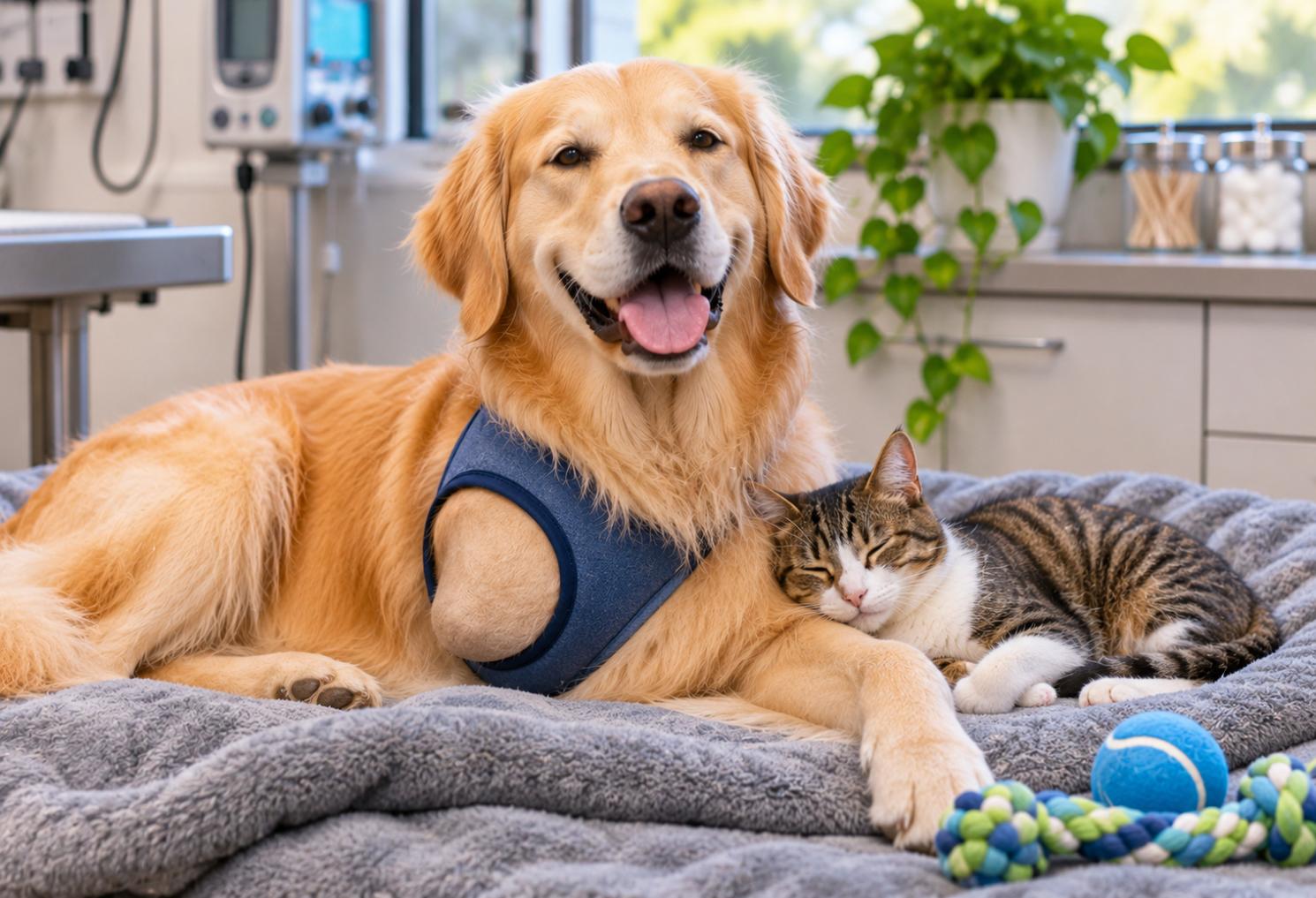
Hearing that your dog or cat might need a leg amputated is something no pet owner feels prepared for. You might immediately picture your pet struggling to walk, missing their favorite activities, or having difficulty adjusting to life on three legs. For families throughout Long Island, the possibility of surgery can bring understandable questions about pain, recovery, and whether removing a limb is truly the right decision. However, depending on the underlying condition, amputation may offer a meaningful opportunity to relieve discomfort and help a pet return to activities they enjoy.
Pet amputation may be recommended when a limb is severely injured, affected by certain cancers, or causing significant pain that cannot be adequately addressed through other treatments. Although the idea can feel overwhelming, many dogs and cats adapt well to three-legged mobility with appropriate medical care and support. The decision should always be based on an individualized evaluation of the pet’s condition, overall health, remaining limbs, and available treatment options.
Here’s what Long Island pet owners should understand:
-
Dog amputation or cat amputation may be recommended for certain cancers, severe injuries, irreversible nerve damage, or other conditions affecting a limb.
-
A board-certified veterinary surgeon can help evaluate complicated cases and explain whether limb preservation is a reasonable alternative.
-
Pets throughout Nassau and Suffolk Counties may benefit from specialized surgical evaluation when injuries or tumors require advanced treatment.
-
Appropriate anesthesia, pain management, postoperative monitoring, and rehabilitation planning are important parts of surgical care.
-
Many pets adjust to life with three legs, although recovery and long-term mobility vary according to their individual circumstances.
At Veterinary Surgical Center of Long Island, we understand how difficult it can be to make medical decisions for a beloved pet. Our Huntington-based emergency and specialty referral hospital provides advanced veterinary surgical care, including orthopedic surgery and surgical oncology. With board-certified veterinary surgical expertise, we work alongside referring veterinarians to help families understand complex conditions, explore treatment options, and make informed decisions centered on their pet’s comfort and well-being.
When Is Amputation the Best Option for a Dog or Cat?
Amputation may be the best option when a dog’s or cat’s limb is causing substantial pain, cannot function adequately, or contains disease that cannot be managed effectively through less extensive treatment. The recommendation depends on the diagnosis, available alternatives, and whether removing the affected limb is likely to improve the animal’s comfort or overall quality of life.
Severe Injuries That Cannot Be Repaired
Some pets experience injuries involving extensive damage to bones, joints, nerves, or surrounding tissues. Although fractures and many other injuries can be treated successfully, certain cases are too complex for limb preservation to provide a comfortable, functional result.
A veterinary surgeon evaluates the extent of the injury and considers available repair options before recommending amputation. When a limb cannot be restored to a reasonable level of function, removing it may offer a more appropriate path toward recovery.
Cancer Affecting a Limb
Certain tumors affecting the bones or soft tissues of a limb may require amputation as part of treatment. Osteosarcoma, a type of bone cancer, is one condition in which amputation may be recommended to address pain and remove the affected limb.
However, cancer treatment depends on the tumor type, location, and whether the disease has spread. Amputation does not necessarily cure cancer, and additional treatment, such as chemotherapy, may be recommended in some cases.
Chronic Pain and Irreversible Damage
Amputation may also be considered when a limb has severe nerve damage, persistent infection, or another condition that makes normal use painful or impossible. These situations require careful assessment because the goal is to improve comfort rather than simply remove a damaged body part.
For pet owners throughout Huntington, Smithtown, and surrounding communities, specialized evaluation can help clarify whether continued medical treatment, reconstructive surgery, or amputation is most appropriate.
How Do Veterinarians Determine Whether Amputation Is Necessary?
Veterinarians determine whether amputation is appropriate by evaluating the underlying disease or injury, the pet’s overall medical condition, and the expected benefits and risks of different treatments. Diagnostic testing helps establish whether the affected limb can be preserved and whether the remaining limbs can support the pet comfortably.
Physical and Orthopedic Examinations
A thorough examination helps the veterinary team assess pain, movement, limb function, and the condition of the surrounding tissues. The surgeon may also evaluate the pet’s other legs, spine, and general mobility.
This information is important because a pet’s ability to adapt after amputation depends partly on how well the remaining limbs function. Existing arthritis, neurological problems, or other mobility limitations may affect treatment recommendations.
Blood Work and Diagnostic Imaging
Blood tests can help evaluate organ function and other factors relevant to anesthesia and surgery. X-rays may be recommended to examine the affected limb, evaluate the remaining limbs, or investigate possible cancer spread.
In more complicated cases, CT scans, MRI, or other advanced diagnostics may provide additional information. Our surgical team uses appropriate diagnostic findings to guide treatment planning and explain the available options to pet owners.
Considering the Whole Pet
A pet’s age alone does not determine whether amputation is appropriate. Overall health, body condition, temperament, mobility, and the nature of the underlying disease are often more important considerations.
We approach surgical recommendations individually rather than assuming that every pet with a damaged or diseased limb needs the same treatment. Our goal is to help families understand what surgery may realistically accomplish for their particular companion.
Can Amputation Improve a Pet’s Comfort and Quality of Life?
Amputation can improve a pet’s quality of life when it removes a source of substantial pain or eliminates a limb that can no longer function comfortably. Many dogs and cats learn to move effectively on three legs, although the degree of improvement depends on their health, remaining mobility, and underlying diagnosis.
Relieving Pain From a Damaged Limb
Some pets spend weeks or months avoiding weight on an injured or diseased leg. Others experience persistent discomfort that limits their ability to walk, rest comfortably, or participate in normal activities.
When appropriate treatment cannot restore the limb’s comfort, amputation may remove the source of that pain. However, postoperative discomfort still requires careful management, and some pets may experience additional pain-related complications.
Adapting to Three-Legged Mobility
Dogs and cats can often learn to redistribute their weight across their remaining limbs. Some regain the ability to walk, play, and participate in activities they previously enjoyed, although others need more assistance.
The American College of Veterinary Surgeons notes that many pets adjust well after limb amputation. However, individual outcomes depend on factors such as body weight, preexisting orthopedic conditions, and the reason surgery was performed.
Understanding Long-Term Expectations
Improved comfort doesn’t always mean a complete return to the pet’s previous activity level. A dog with additional joint disease may continue experiencing mobility limitations, while a pet undergoing cancer treatment may require ongoing medical care.
For Long Island families facing these decisions, discussing realistic expectations with the surgical team can help establish meaningful quality-of-life goals.
Is Limb-Sparing Surgery an Alternative to Amputation?
Limb-sparing surgery may be an alternative to amputation in selected cases where enough healthy tissue can be preserved to maintain useful function. However, not every injury or tumor is suitable for this approach, and the risks, benefits, and recovery requirements must be evaluated individually.
When a Limb May Be Preserved
Some fractures can be repaired using specialized orthopedic techniques, while certain tumors may be treated through carefully planned limb-sparing procedures. The feasibility depends on the location and extent of the problem, available reconstruction options, and expected function after treatment.
Preserving a limb is not automatically the better choice if the remaining leg would be painful or unable to function adequately. A veterinary surgeon considers whether the proposed procedure offers a reasonable chance of achieving the desired outcome.
Comparing Available Treatments
Limb-sparing procedures may involve complex reconstruction, prolonged healing, or additional complications. Amputation also carries surgical risks and requires adjustment, but it may provide a more predictable way to address certain severely damaged or painful limbs.
Our board-certified surgical expertise supports careful evaluation of complex orthopedic and oncologic conditions. We help pet owners understand why one treatment may be more appropriate than another based on the available medical findings.
What Happens During Pet Amputation Surgery?
Pet amputation surgery involves removing the affected limb under general anesthesia while the veterinary team manages pain, monitors vital signs, and protects surrounding tissues. The specific technique depends on whether the surgery involves a front or rear limb and the medical condition being treated.
Preparing for Anesthesia
Before surgery, the veterinary team evaluates relevant medical history, physical examination findings, and diagnostic results. These assessments help determine an appropriate anesthesia and monitoring plan for the individual patient.
Although modern veterinary anesthesia includes numerous safety measures, no surgical procedure is entirely without risk. We discuss relevant considerations with pet owners so they can understand the proposed treatment and provide informed consent.
Pain Management Throughout Treatment
Pain management begins before or during surgery and continues through the postoperative period. A veterinarian may use a combination of medications and other techniques to help maintain comfort.
The specific approach depends on the pet’s medical condition, the procedure, and its response to treatment. Our team prioritizes appropriate monitoring and pain control throughout surgical care and recovery.
Postoperative Hospital Care
Following surgery, the veterinary team monitors the incision, pain control, movement, and overall condition. Some pets require more assistance with standing or walking than others, particularly during the initial recovery period.
Discharge timing depends on the pet’s comfort and medical stability rather than a fixed schedule. Owners receive instructions concerning medication, incision care, activity restrictions, and follow-up appointments before bringing their pet home.
How Long Does Recovery Take After Dog or Cat Amputation?
Recovery after dog or cat amputation varies, but initial incision healing commonly takes approximately 10 to 14 days, while mobility and strength may continue improving over subsequent weeks. Some pets begin adapting quickly, whereas others require more time, assistance, and rehabilitation.
The First Days at Home
The first several days generally involve careful activity restriction, pain management, and protection of the incision. Pets should have a quiet recovery area where they can rest without slipping or attempting unnecessary jumping.
For families in Nassau and Suffolk Counties, preparing a comfortable recovery space before surgery can make the transition home easier. A ground-floor room with secure footing and easy access to food and water may be particularly helpful.
Helping Your Pet Move Safely
Some dogs may need assistance standing, walking outdoors, or navigating unfamiliar surfaces. A veterinarian may recommend a supportive harness or sling, depending on the pet’s size, mobility, and specific surgical instructions.
Cats may require restrictions on jumping and access to elevated furniture while healing. Owners should follow the surgical team’s recommendations rather than encouraging activity too quickly.
Follow-Up Care and Rehabilitation
Postoperative appointments allow the veterinary team to evaluate healing, address concerns, and adjust recovery instructions when necessary. Some patients may benefit from rehabilitation to improve balance, strength, and confidence.
We emphasize clear postoperative guidance and communication so families understand their pet’s recovery needs. Rehabilitation recommendations depend on the patient’s condition and should be coordinated with qualified veterinary professionals.
How Can You Prepare Your Home for a Three-Legged Pet?
Preparing your home for a three-legged pet involves providing secure footing, limiting unnecessary obstacles, and arranging comfortable spaces for rest and daily activities. These changes can make recovery less stressful while helping pets regain confidence as they adjust to their new balance.
Make Floors Safer
Hardwood, tile, and other smooth surfaces may be difficult for a pet adjusting to three-legged mobility. Nonslip rugs or suitable traction mats can help provide more secure footing in commonly used areas.
However, rugs should remain flat and stable so they don’t create additional tripping hazards. Pet owners should also keep pathways clear of toys, cords, and unnecessary furniture.
Limit Stairs and Jumping
Stairs and elevated surfaces can present challenges during early recovery. Temporary barriers may help prevent pets from accessing areas where they could fall or strain the healing incision.
For dogs that usually sleep upstairs or cats accustomed to jumping onto furniture, temporary changes may be necessary. Your veterinarian can explain when these activities may be resumed safely.
Keep Essential Items Accessible
Food, water, and bedding should be located where your pet can reach them without unnecessary effort. Outdoor bathroom trips may also require additional assistance until walking becomes more comfortable.
For Long Island pet owners managing busy households, establishing a consistent recovery routine can help reduce confusion for both the pet and family members.
What Warning Signs Should You Watch for After Amputation?
Warning signs after amputation include increasing pain, persistent bleeding, unusual swelling, discharge, incision separation, or sudden changes in the pet’s behavior or mobility. These symptoms may indicate postoperative complications and should be discussed with the veterinary team promptly.
Contact your veterinarian if you notice:
-
Increasing redness, swelling, or discharge around the incision.
-
Bleeding that persists or becomes more pronounced.
-
An incision that opens or appears damaged.
-
Pain that seems uncontrolled despite prescribed medication.
-
Refusal to eat or drink beyond the period discussed in discharge instructions.
-
Significant weakness, collapse, or unusual difficulty breathing.
-
Repeated vomiting or other concerning reactions to medication.
-
Sudden deterioration after your pet initially appeared to be improving.
Not every change indicates a serious complication, but unusual symptoms deserve professional attention. Our Huntington emergency and specialty hospital provides veterinary care for urgent medical concerns when prompt evaluation is necessary.
Frequently Asked Questions About Pet Amputation on Long Island
Can dogs live happy lives after losing a leg?
Yes, many dogs adapt successfully to three-legged mobility and continue enjoying walks, playtime, and daily interaction with their families. Individual outcomes depend on overall health, remaining limb function, and the underlying condition that required surgery.
Do cats recover well from amputation?
Many cats adjust well after amputation, although recovery varies between individuals. Healthy remaining limbs, appropriate pain management, and a safe home environment can support adaptation, while existing medical or mobility problems may influence the outcome.
Is pet amputation always the last option?
No, amputation is not necessarily a last resort. In some cases, it may be the most appropriate treatment for relieving pain or addressing a serious condition, even when other procedures are technically possible.
Is amputation painful for dogs and cats?
Amputation is a major surgical procedure that causes postoperative discomfort, but veterinarians use anesthesia and pain management techniques to help control it. Some pets experience improved comfort after recovery when the surgery removes a chronically painful limb.
Can an older dog undergo amputation?
Yes, some older dogs are appropriate candidates for amputation when their overall health and remaining mobility support the procedure. Age alone doesn’t determine surgical suitability, making individualized medical evaluation essential.
How long does it take for a pet to walk after amputation?
Some pets begin standing or walking with assistance relatively soon after surgery, while others require more time. Recovery depends on the pet’s medical condition, comfort, body size, and ability to balance using the remaining limbs.
Are there alternatives to amputation for pets with bone cancer?
Selected cases may be suitable for limb-sparing surgery or other treatment approaches, depending on tumor location, disease extent, and the pet’s condition. A veterinary surgeon can explain whether these alternatives are appropriate and how their risks compare with amputation.
Will my pet need physical rehabilitation after surgery?
Some pets benefit from rehabilitation to improve strength, balance, and confidence, while others adapt without extensive therapy. Recommendations depend on the pet’s recovery, preexisting mobility limitations, and the surgical team’s assessment.
Where can I find a board-certified veterinary surgeon on Long Island?
Veterinary Surgical Center of Long Island provides specialty surgical care in Huntington, NY, including evaluation and treatment of complex orthopedic conditions and surgical oncology cases. Our team works with referring veterinarians and pet owners to determine appropriate treatment options.
Helping Your Pet Move Forward With Comfort and Confidence
The possibility of amputation can feel overwhelming, especially when you’re trying to make the best decision for a pet who depends on you. However, removing a severely damaged or painful limb can sometimes provide an opportunity for meaningful improvement in comfort and mobility. Many dogs and cats learn to adapt to life on three legs, finding new ways to move, play, and enjoy time with their families. While recovery takes patience and careful medical support, understanding the process can help you approach the decision with greater confidence and realistic expectations.
At Veterinary Surgical Center of Long Island, we believe every pet deserves individualized care that considers their medical needs, daily comfort, and quality of life. Our board-certified surgical expertise allows us to evaluate complex injuries, tumors, and other conditions while considering appropriate treatment alternatives. We work closely with referring veterinarians and pet families to explain diagnostic findings, surgical recommendations, recovery expectations, and follow-up care. Whether amputation is ultimately recommended or another treatment is more appropriate, our goal is to help you make an informed decision that supports your pet’s well-being.
Explore Your Pet’s Surgical Options With Compassionate Guidance
Facing a possible amputation doesn’t mean you have to navigate the decision without professional support. Our experienced veterinary surgical team can evaluate your pet’s condition, explain available treatment options, and help you understand what recovery may involve. Contact us today