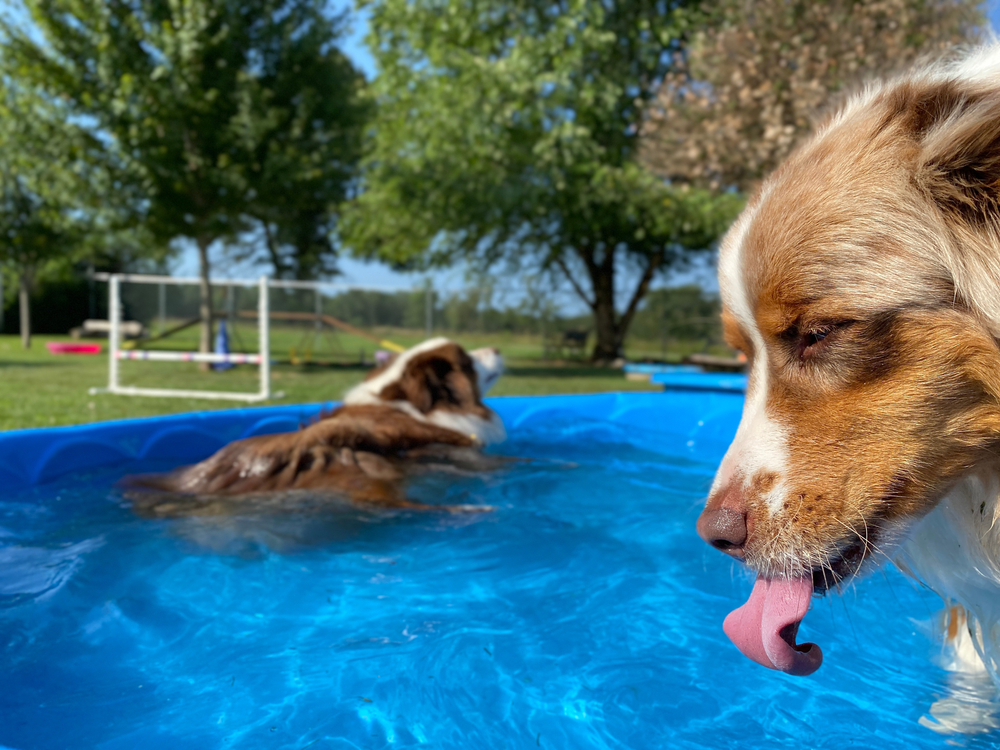
Summer on Long Island means more time outdoors, and for many families that includes relaxing by the pool with their pets nearby. While backyard pools are a great way to enjoy the warmer months, they also introduce unique risks for curious dogs and cats. Understanding pet pool safety, following practical dog water safety tips, and creating a safer environment for pool safety for cats can help prevent accidents before they happen.
Quick Answer
Pool safety for pets starts with supervision, safe pool access, and training. Dogs should learn how to enter and exit the pool safely, while cats should have barriers that discourage them from exploring the water. Pet owners should also rinse chlorine or saltwater from fur and paws after swimming, provide fresh drinking water, and know when to seek veterinary care if an emergency occurs.
What Local Pet Owners Should Know
- Every dog is different, and not every breed is naturally comfortable or capable in the water.
- Cats are generally less interested in swimming, but curiosity can still put them at risk around uncovered pools.
- Long Island’s warm summer weather often means pets spend more time outside, increasing the importance of pool safety habits.
- Homeowners in Nassau County and Suffolk County should regularly inspect pool fencing, gates, and safety covers before peak swimming season.
- Chlorinated and saltwater pools can both affect your pet’s skin, paws, and coat if they are not rinsed afterward.
Why This Matters on Long Island
Pool safety is especially important for families across Long Island because many neighborhoods feature backyard pools that become gathering places throughout the summer. Communities such as Huntington, Smithtown, Garden City, Massapequa, and Babylon often see pets spending more time outdoors during warmer weather. A little preparation can help reduce the risk of slips, accidental falls, chemical exposure, and other preventable emergencies.
At Veterinary Surgical Center of Long Island, we understand that pets are family members. We believe education is one of the best ways to help families protect their companions before an emergency happens.
Local Field Observations
One common observation during the warmer months is that veterinary professionals often see more injuries related to outdoor activities. While not every pool incident requires surgery, accidents involving slips, falls, panic, or near drowning can result in traumatic injuries that deserve immediate veterinary evaluation.
How Pools Can Affect Dogs and Cats
Pools can be enjoyable for some pets, but they also present hazards that owners should recognize.
Dogs may become exhausted while swimming, struggle to locate pool steps, or accidentally ingest too much pool water. Cats are less likely to enter a pool intentionally, but they may slip while exploring the pool edge or fall into uncovered water.
Potential concerns include:
- Drowning or near drowning
- Slipping on wet pool decking
- Heat exhaustion
- Chlorine or saltwater irritation
- Ear infections after repeated swimming
- Paw irritation from hot pool surfaces
Warning Signs After a Pool Incident
A pet that has experienced difficulty in or around a pool should be monitored closely for signs of distress.
Watch for:
- Persistent coughing
- Difficulty breathing
- Extreme fatigue
- Vomiting after swallowing pool water
- Limping after a fall
- Confusion or unusual behavior
- Red or irritated eyes
- Excessive licking of paws
Any breathing difficulty or loss of consciousness should be treated as an emergency.
When to Contact a Veterinary Professional
Pets showing signs of injury, breathing problems, or severe weakness after a pool incident should receive veterinary care immediately.
Owners can safely monitor minor skin irritation or rinse chlorine from the coat at home. However, pets that have experienced trauma, possible fractures, prolonged submersion, or significant water inhalation should be evaluated promptly. Delayed symptoms can occur after near drowning incidents.
Common Causes of Pool Accidents
Most pool accidents happen because pets are unfamiliar with the pool or lack safe escape options.
Common causes include:
- No easy exit from the pool
- Lack of supervision
- Slippery pool decks
- Fatigue after extended swimming
- Open pool areas without fencing
- Curious cats exploring uncovered pools
Prevention and Maintenance Tips
Simple preventive measures significantly improve pet pool safety.
Helpful steps include:
- Teach dogs how to locate pool steps before allowing free swimming.
- Consider a properly fitted canine life jacket for inexperienced swimmers.
- Never force a reluctant pet into the water.
- Rinse fur and paws after swimming.
- Keep fresh drinking water nearby to discourage drinking pool water.
- Install self-closing gates and secure fencing.
- Use pool covers designed for safety rather than lightweight solar covers.
- Supervise every pool session, even with strong swimmers.
What Results Can You Expect?
Consistent safety habits greatly reduce the likelihood of pool-related emergencies.
Most pets can safely enjoy time around the pool when owners provide supervision, safe exits, and regular maintenance. Prevention also helps reduce exposure to chemicals and minimizes unnecessary veterinary emergencies.
Common Mistakes
| Mistake | Consequence | Better Approach |
|---|---|---|
| Assuming every dog can swim | Panic or exhaustion | Introduce water gradually and supervise closely |
| Leaving pets unattended | Increased drowning risk | Always provide supervision |
| Forgetting to rinse chlorine | Skin and coat irritation | Rinse with clean water afterward |
| Ignoring hot pool decks | Burned paw pads | Test surfaces before allowing pets outside |
| Allowing pets unlimited pool access | Higher accident risk | Use fencing and secure gates |
A Common Long Island Scenario
Imagine a family hosting a backyard gathering in Suffolk County. Guests are socializing while children swim, and the family dog excitedly jumps into the pool several times throughout the afternoon. After becoming tired, the dog struggles to locate the pool steps and begins to panic. Fortunately, an attentive family member quickly assists.
Situations like this demonstrate why teaching dogs where to exit the pool before play begins can make a meaningful difference.
Related Veterinary Services
Veterinary evaluation can help identify injuries that may not be obvious immediately after a pool accident.
Depending on the situation, veterinary professionals may recommend:
- Emergency examinations
- Diagnostic imaging
- Surgical evaluation for traumatic injuries
- Orthopedic care
- Soft tissue injury treatment
- Post-injury recovery planning
DIY Prevention vs. Professional Care
| DIY Prevention | Professional Veterinary Care |
|---|---|
| Supervise pool time | Evaluate traumatic injuries |
| Teach pool exits | Diagnose fractures or internal injuries |
| Rinse chlorine from fur | Treat breathing complications |
| Maintain pool barriers | Provide surgical consultation when necessary |
Serving Long Island Families
We proudly help pet owners throughout Long Island, including Nassau County, Suffolk County, Huntington, Smithtown, Garden City, Massapequa, Babylon, and surrounding communities. Our goal is to support families with compassionate veterinary surgical care when advanced treatment becomes necessary.
The Cost of Waiting
Ignoring signs of injury after a pool accident can allow serious conditions to worsen. Difficulty breathing, untreated fractures, or internal injuries may become more complicated without timely veterinary evaluation. Prompt care often provides the best opportunity for recovery.
Frequently Asked Questions
Can all dogs swim safely?
No. While many dogs can paddle instinctively, not every breed has the stamina or physical build to swim safely. Supervision is always recommended.
Are chlorine pools dangerous for pets on Long Island?
Chlorinated pools are generally safe for brief swimming sessions, but pets should be discouraged from drinking pool water and should be rinsed afterward to reduce skin and coat irritation.
What are the best dog water safety tips?
Teach your dog how to exit the pool, supervise every swim, provide fresh drinking water, use a life jacket when appropriate, and avoid prolonged swimming sessions.
How can I improve pool safety for cats?
Pool safety for cats begins with secure fencing, closed gates, and limiting access to uncovered pools. Most cats avoid water, but curiosity can still create dangerous situations.
Should I take my pet to a veterinarian after a near drowning incident on Long Island?
Yes. Pets that experience breathing difficulty, prolonged submersion, or unusual behavior after a water emergency should receive prompt veterinary evaluation, even if they initially appear normal.
Can saltwater pools affect pets?
Yes. Saltwater pools may still irritate skin or cause stomach upset if large amounts of water are swallowed. Fresh water should always be available.
What should I do if my dog slips around the pool?
Limit activity immediately and monitor for limping, swelling, or pain. If your dog has difficulty walking or appears injured, seek veterinary evaluation.
When is pool season busiest for Long Island pet owners?
Late spring through early fall is typically when families spend the most time around backyard pools, making it an ideal time to review pet safety practices.
Closing
Keeping pets safe around the pool requires preparation, supervision, and quick action when something goes wrong. Small preventive steps can significantly reduce the risk of injuries while helping your dog or cat safely enjoy the summer season.