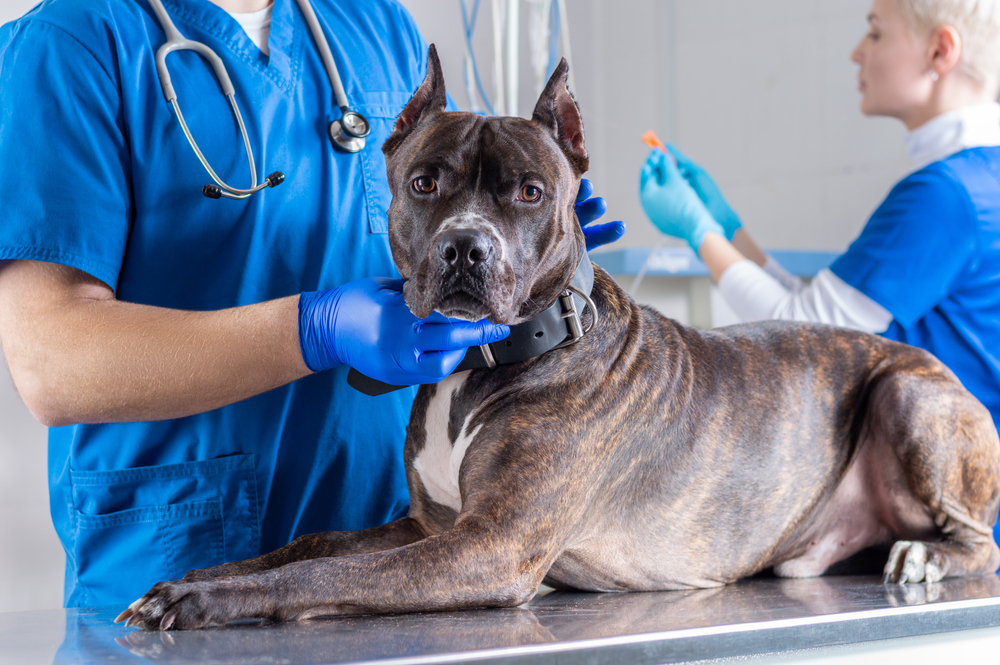
If you are a pet owner in Huntington, NY, watching your dog or cat struggle to move, limp across the floor, or cry out in pain can be one of the most distressing experiences imaginable. Many pet owners assume that limping or stiffness is simply a sign of aging, but in many cases, these symptoms point to something more serious that requires professional evaluation. Knowing when to seek help from a pet orthopedic surgeon on Long Island could make all the difference in your animal’s quality of life.
Orthopedic conditions in pets are more common than most people realize. From torn ligaments to hip dysplasia and fractures, these issues affect dogs and cats of all breeds and ages. The key is recognizing the warning signs early and acting before the condition worsens.
Below, we break down the most important signs that your pet may need orthopedic surgery and when it is time to make that call.
1. Persistent Limping That Does Not Improve
One of the most obvious signs that something is wrong is a limp that simply does not go away. A dog limping for a day or two after intense play is not always cause for alarm, but when that limping persists for more than a few days, worsens over time, or appears suddenly after an injury, it is time to seek a professional opinion.
Dog limping treatment in Huntington, NY starts with a thorough examination by a veterinarian who can determine whether the issue is muscular, neurological, or orthopedic in nature. If the cause is structural, such as a torn cranial cruciate ligament (the canine equivalent of an ACL tear), surgery is often the most effective long-term solution. Delaying treatment can lead to secondary joint damage, chronic pain, and arthritis that becomes increasingly difficult to manage.
Limping in cats tends to be subtler. Cats are masters at hiding discomfort, so even a slight change in the way your cat walks or jumps should be taken seriously. If your cat is avoiding stairs, no longer jumping onto furniture, or moving with a stiff gait, schedule an evaluation as soon as possible.
2. Visible Swelling, Deformity, or Abnormal Posture
Swelling around a joint, a visibly abnormal limb angle, or a change in your pet’s posture are all red flags. These signs can indicate fractures, dislocations, or developmental abnormalities that require surgical correction.
Large and giant breed dogs are especially prone to conditions like hip dysplasia and elbow dysplasia, both of which can cause progressive joint degeneration. When caught early, some of these conditions can be managed with physical therapy and medication. However, when the deformity is severe or the pet is in significant pain despite conservative treatment, a pet orthopedic surgeon on Long Island may recommend surgical intervention to restore function and relieve discomfort.
It is also worth paying close attention to how your dog holds its body while standing or sitting. A dog that consistently shifts its weight to one side, sits in an unusual position, or avoids putting weight on a limb entirely is almost certainly dealing with pain that deserves a closer look.
3. Difficulty Rising, Climbing Stairs, or Exercising
Has your once-active dog become reluctant to go on walks? Does your pet struggle to rise from a lying position, hesitate at the bottom of stairs, or tire out much faster than usual during exercise? These behavioral shifts are often early indicators of orthopedic problems that, if left unaddressed, can significantly reduce your pet’s mobility and comfort over time.
Conditions such as patellar luxation (a dislocated kneecap), fragmented coronoid process in the elbow, or osteochondrosis (a joint cartilage disorder) can all cause this type of gradual decline in activity. In many of these cases, veterinary orthopedic surgery in Huntington, NY is the most reliable path to restoring your pet’s ability to move freely and without pain.
Do not make the mistake of assuming your pet is simply slowing down due to age. While some decrease in activity is normal as pets grow older, pain-related mobility loss is not something that should be accepted without investigation. A proper diagnosis can reveal whether surgery, rehabilitation, or a combination of both is the right course of action.
4. Failure to Respond to Conservative Treatment
Many orthopedic conditions are initially managed with rest, anti-inflammatory medications, joint supplements, and physical therapy. These approaches work well for mild cases or as a temporary measure. However, when a pet does not show meaningful improvement after several weeks of conservative care, or when symptoms keep returning despite treatment, surgery may be the next appropriate step.
This is particularly relevant for dogs with cruciate ligament tears, which rarely heal on their own and often require surgical stabilization to prevent further joint damage. A trusted pet orthopedic surgeon on Long Island can review your pet’s history, imaging results, and response to prior treatment to determine whether an operation is the right call.
Signs your dog may need surgery after failed conservative treatment include continued weight-bearing difficulties, noticeable muscle loss in the affected limb, or ongoing signs of pain such as whimpering, decreased appetite, and behavioral changes like increased aggression or withdrawal.
5. Traumatic Injuries That Require Immediate Attention
Accidents happen. Whether your dog was struck by a vehicle, fell from a significant height, or suffered a severe twisting injury during play, some orthopedic emergencies require prompt surgical care. Fractures, joint dislocations, and severe ligament ruptures are not conditions that can simply be “waited out.”
If your pet experiences a traumatic injury, look for signs such as an inability to bear any weight on a limb, bone visibly protruding through the skin, extreme swelling, or a limb that hangs at an unnatural angle. These are emergencies that require immediate veterinary attention.
Seeking timely dog limping treatment in Huntington, NY after a traumatic event can prevent complications like improper bone healing, chronic instability, and long-term disability. The sooner your pet receives a proper assessment and surgical plan, the better the outcome is likely to be.
Veterinary orthopedic surgery in Huntington, NY has advanced significantly in recent years. Techniques such as tibial plateau leveling osteotomy (TPLO), total hip replacement, and arthroscopic joint surgery are now routinely performed by experienced specialists who can deliver excellent results when treatment is pursued in a timely manner.
Conclusion
Your pet cannot tell you when something is wrong, which means the responsibility falls on you to pay attention, ask questions, and seek help when something does not look right. Whether you are noticing a subtle change in your dog’s gait or responding to an acute injury, connecting with a qualified pet orthopedic surgeon on Long Island is the most important step you can take toward getting your companion the care they need.
Do not wait for the problem to become severe. Early intervention, guided by an experienced veterinary team, gives your pet the best possible chance at a full and comfortable recovery. If you have noticed any of the signs discussed above, reach out to a veterinary orthopedic specialist in Huntington, NY today.
Need Veterinary Surgical Care Near You?
At Veterinary Surgical Center of Long Island, we understand how important your pet’s health is, which is why we are here to provide expert care during emergencies and complex surgical procedures. Whether your pet is facing a critical emergency or needs specialized surgery, our team in Huntington, NY, is ready to offer life-saving treatment with the latest technology and compassionate care. If your pet requires emergency attention or advanced surgical care, don’t hesitate to reach out to us. We’re committed to working alongside you and your primary care veterinarian to create a personalized treatment plan that ensures the best possible outcome for your furry family member. Contact us today and let us help your pet get back to a healthier, happier life.