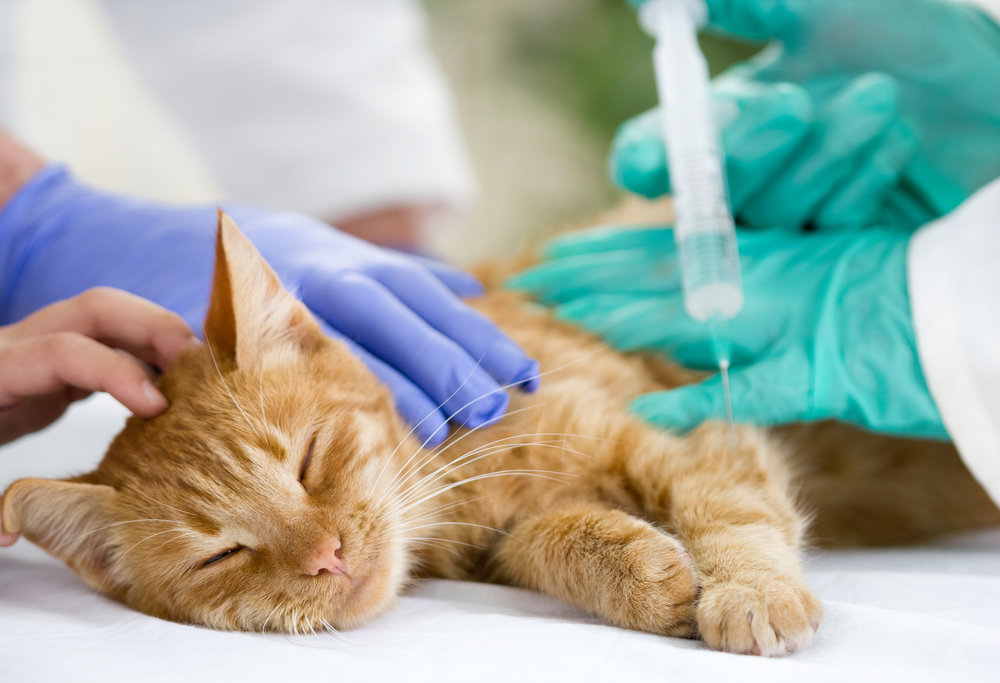
Learning that your cat needs surgery can bring a long list of questions, especially when you are trying to plan transportation, medications, feeding, and recovery at home. For cat owners in Huntington and across Long Island, knowing what usually happens before and after surgery can make the process easier to manage and help you prepare a safer, quieter recovery space.
Quick answer: When your cat needs surgery, preparation usually includes following specific feeding and medication instructions, arranging safe transportation, and discussing the procedure with your veterinary team. After surgery, your cat may need restricted activity, incision monitoring, prescribed medication, and follow-up care. Every procedure and patient is different, so your veterinarian’s discharge instructions should always take priority over general guidance.
What local cat owners should know
-
Your veterinary team should give you specific instructions about food, water, medications, arrival time, and what to bring before surgery.
-
Cat owners traveling from Huntington Station, Cold Spring Harbor, Greenlawn, or other parts of western Suffolk County should plan for a secure carrier and a calm ride home.
-
Recovery may require temporarily limiting stairs, jumping, running, and access to other pets.
-
Changes in appetite, behavior, breathing, urination, the incision, or overall comfort should be discussed with your veterinary team when they fall outside the expected recovery instructions.
-
Keep your veterinarian’s contact information and after-hours instructions accessible before bringing your cat home.
Why Cat Surgery Preparation Matters in Huntington
Preparing for cat surgery in Huntington helps reduce avoidable stress and gives owners time to create a safe plan for transportation, medications, and recovery. Long Island households range from apartments and condos to multilevel homes, so the best recovery setup depends partly on where your cat can rest without repeatedly climbing stairs or jumping onto furniture.
Veterinary Surgical Center of Long Island serves pet owners facing surgical care, and we understand that owners often have as many questions about the days around surgery as they do about the procedure itself.
For families traveling from Huntington, Melville, Dix Hills, Northport, Cold Spring Harbor, and surrounding Suffolk County communities, planning ahead can also make the trip home easier. A secure carrier, comfortable bedding, and a direct ride home can help minimize unnecessary activity immediately after discharge.
What Happens Before Your Cat’s Surgery?
Before your cat’s surgery, your veterinary team will explain the procedure, review relevant health information, and provide individualized instructions for the hours leading up to the appointment. These directions may cover food, water, medications, arrival time, testing, and other considerations based on your cat’s age, health, and planned procedure.
Do not assume that fasting or medication instructions are the same for every cat. Some medications may need to be continued while others may require adjustments. Follow the instructions provided specifically for your pet.
Before leaving your Huntington-area home, confirm that you have a secure carrier and any medications, records, or other items your veterinary team asked you to bring.
How Should You Prepare Your Home for Recovery?
Preparing your home for recovery means creating a quiet, controlled space where your cat can rest while limiting activities that could interfere with healing. Depending on the procedure, your veterinary team may recommend restricting jumping, running, climbing stairs, rough play, or interaction with other household pets for a period of time.
A small room can sometimes be easier to manage than giving a recovering cat access to an entire home. Remove tempting high surfaces when practical, provide comfortable bedding, and keep necessities within easy reach.
In multilevel homes common throughout Huntington, Dix Hills, and nearby communities, consider whether food, water, a litter box, and bedding can temporarily remain on one floor.
What Should You Expect After Cat Surgery?
After cat surgery, expect your pet to need rest, close observation, prescribed care, and time to return gradually to normal activity. Your cat’s behavior and recovery timeline will depend on the procedure, anesthesia, medications, overall health, and individual response to surgery.
Some cats may be quieter than usual after returning home. Your discharge instructions should explain what is expected, when feeding can resume, how medications should be given, and what level of activity is appropriate.
Keep your cat indoors and follow all restrictions until your veterinary team says normal activity can resume.
What Warning Signs Should You Watch for During Recovery?
Warning signs after cat surgery include changes that fall outside the recovery expectations your veterinary team provided, particularly significant changes involving the incision, breathing, comfort, appetite, elimination, or alertness. Because different surgeries have different recovery patterns, contact your veterinarian when you are uncertain rather than trying to diagnose a complication at home.
Signs that may warrant a call include:
-
An incision that appears to be opening or has concerning swelling, discharge, or bleeding
-
Persistent licking or chewing at the surgical area
-
Difficulty breathing or unusual respiratory effort
-
Significant weakness, collapse, or difficulty standing
-
Repeated vomiting or inability to keep down prescribed food or medication
-
Unexpected difficulty urinating or using the litter box
-
Pain or distress that appears uncontrolled despite following medication instructions
-
Any change specifically identified as concerning in your discharge paperwork
If you believe your cat may be experiencing an emergency, follow the emergency instructions provided by your veterinary team.
When Should You Call Your Veterinary Team?
You should call your veterinary team whenever your cat’s recovery does not match the instructions you were given or you are concerned about pain, the incision, medications, eating, drinking, breathing, or elimination. Waiting for a problem to become severe can make it harder to address, while a quick conversation may clarify whether a change is expected.
Owners throughout Suffolk County should also plan ahead for nights, weekends, and holidays. Before discharge, know whom to contact if a concern develops outside regular appointment hours.
Never change medication amounts, stop a prescribed medication, or give human medication unless your veterinarian specifically instructs you to do so.
What Common Problems Can Interfere With Recovery?
The most common recovery problems often involve too much activity, interference with the incision, incorrect medication use, or difficulty following the prescribed home-care plan. Preventing these issues begins with understanding exactly what your cat is allowed to do and arranging the home accordingly.
Common challenges include:
-
Jumping and climbing: An active cat may try to return to favorite windowsills, furniture, or stairs before restrictions have ended.
-
Licking the incision: Some cats persistently investigate surgical sites and may require a protective device recommended by the veterinary team.
-
Medication difficulties: Cats can be challenging to medicate, so ask for guidance if you are struggling rather than repeatedly forcing an unsuccessful approach.
-
Other pets: Play, grooming, chasing, or territorial behavior can interfere with quiet recovery.
-
Too much freedom too soon: A cat that appears energetic may still need continued restriction according to the surgical plan.
How Can You Make Recovery Easier for Your Cat?
You can make surgical recovery easier by keeping your cat’s environment quiet, following medication and activity instructions closely, and checking your pet regularly without unnecessarily disturbing rest. Good preparation is especially helpful for busy Long Island households where children, other pets, visitors, and multiple floors can make activity restriction difficult.
Set up the recovery area before surgery whenever possible. Keep medication instructions in one place and consider keeping a written schedule if several medications are involved.
Check the surgical site only as instructed. Avoid applying cleaners, creams, bandages, or other products unless your veterinary team specifically directs you to use them.
What Results Can You Expect From Surgical Recovery?
The expected result of surgical recovery is progressive healing according to the timeline established for your cat’s specific procedure, but the pace and restrictions vary from patient to patient. Some cats undergo relatively straightforward procedures, while others require longer activity restriction, repeat examinations, bandage care, rehabilitation, or additional monitoring.
A cat acting more energetic does not automatically mean internal or external tissues have finished healing. Continue following restrictions until your veterinary team changes them.
Scheduled rechecks are also important when recommended because they allow the veterinary team to assess healing and determine whether activity or other restrictions can be adjusted.
Common Mistakes Cat Owners Should Avoid
The most important mistakes to avoid after cat surgery are changing the care plan without veterinary guidance, allowing activity too soon, and overlooking changes that deserve professional attention. Consistency matters during recovery, even when your cat appears eager to return to normal routines.
Mistake: Allowing unrestricted jumping because your cat seems energetic.
Consequence: Activity may conflict with the healing plan.
Better approach: Maintain restrictions for the full period your veterinary team recommends.
Mistake: Letting your cat repeatedly lick or chew the incision.
Consequence: The surgical area may become irritated or damaged.
Better approach: Use the protective strategy recommended in your discharge instructions.
Mistake: Giving an unapproved medication.
Consequence: Some medications intended for people or other animals can be inappropriate for cats.
Better approach: Give only medications specifically approved for your pet.
A Common Huntington-Area Recovery Scenario
A common Huntington-area recovery scenario involves bringing a cat home to a familiar environment where the biggest challenge becomes preventing normal household habits from resuming too quickly. A cat may immediately want to climb stairs, jump onto a favorite bed, hide under furniture, or interact with another pet.
In this situation, preparing one quiet room before the procedure can make the first phase of recovery more manageable. Food, water, bedding, and a litter box can be positioned for easy access while furniture and household activity are managed according to the veterinary team’s restrictions.
This is a general scenario, not a description of a specific patient.
What Surgical Care and Follow-Up May Include
Surgical care may include preoperative evaluation, the planned procedure, anesthesia-related care, postoperative monitoring, discharge instructions, medication guidance, and follow-up based on the needs of the individual patient. The exact process depends on the surgery being performed and your cat’s medical circumstances.
We encourage owners to ask questions before discharge, particularly about feeding, medication timing, incision care, activity restrictions, protective collars or garments, expected behavior, and follow-up visits.
How Do At-Home Care and Professional Follow-Up Work Together?
At-home care and professional follow-up work together because owners handle daily observation and restrictions while the veterinary team evaluates healing and addresses medical concerns. Home monitoring cannot replace a recommended postoperative examination, and a veterinary appointment cannot replace careful adherence to instructions between visits.
Safe home care includes following the written plan, observing your cat, preventing prohibited activity, and reporting concerns. Professional care becomes necessary whenever a medical decision, medication adjustment, incision assessment, or evaluation of unexpected symptoms is needed.
What Areas Do We Serve?
We provide surgical care for pet owners in Huntington and surrounding Long Island communities, including nearby areas of Suffolk County. Families may travel to us from communities such as Huntington Station, Cold Spring Harbor, Greenlawn, Northport, Dix Hills, and Melville depending on their veterinary needs.
Planning travel and the home setup before surgery can make discharge day simpler.
What Can Happen If Postoperative Problems Are Ignored?
Ignoring unexpected postoperative problems can allow a potentially manageable concern to become more serious, particularly when changes involve an incision, pain, breathing, medications, eating, or elimination. Cat owners should use their discharge instructions as the primary guide and contact the veterinary team when recovery does not follow the expected pattern.
Prompt communication does not necessarily mean something is wrong. It allows the veterinary team to determine whether continued monitoring or an examination is appropriate.
Frequently Asked Questions About Cat Surgery in Huntington
These frequently asked questions can help Huntington-area cat owners understand the practical side of preparing for surgery and caring for a pet afterward. Specific medical instructions always depend on the individual cat and procedure, so use these answers as general guidance and follow your veterinary team’s directions.
How long does a cat need to recover after surgery?
Recovery time depends on the procedure and the individual cat. Some procedures require a relatively short period of restricted activity, while others involve a longer healing process. Your veterinary team should give you a specific timeline for medication, incision monitoring, activity restrictions, follow-up appointments, and return to normal routines.
Should I feed my cat before surgery in Huntington?
Follow the feeding instructions provided by your veterinary team rather than applying a general fasting rule. Requirements can vary based on the cat, procedure, medications, age, and other medical factors. If you are unsure whether your cat can eat or drink before arriving for surgery, contact the surgical team for clarification.
How should I transport my cat home after surgery?
Your cat should travel in a secure carrier that prevents unnecessary movement and escape during the ride home. Owners traveling through Huntington, Huntington Station, or other parts of Suffolk County should drive carefully and keep the carrier stable. Follow any additional positioning or transportation instructions provided at discharge.
Can my cat use stairs after surgery?
Whether your cat can use stairs depends on the procedure and prescribed activity restrictions. If stair use is restricted, owners of multilevel homes in Huntington and surrounding Long Island communities may find it helpful to create a temporary recovery area containing bedding, food, water, and an appropriate litter setup on one floor.
What should I do if my cat keeps licking the incision?
Prevent repeated access to the incision using the method recommended by your veterinary team and contact them if you cannot stop the behavior. Licking or chewing may irritate a surgical site or interfere with healing. Do not improvise bandages, topical products, or protective devices without veterinary guidance.
What if my cat will not take prescribed medication?
Contact your veterinary team if you cannot safely give a prescribed medication. Do not repeatedly struggle with your cat, change the dose, or discontinue treatment without guidance. Depending on the medication and medical situation, the veterinary team may be able to discuss administration techniques or appropriate alternatives.
When should Suffolk County cat owners call after surgery?
Suffolk County cat owners should call when their cat develops a change that falls outside the postoperative expectations they received. Concerns involving breathing, significant weakness, uncontrolled discomfort, repeated vomiting, the surgical incision, urination, or medication problems deserve particular attention. Follow the specific emergency and after-hours guidance provided by your veterinary team.
When can my cat return to normal activity?
Your cat should return to normal activity only according to the timeline provided by the veterinary team. Energy level alone is not a reliable indication that healing is complete. Continue restrictions on running, jumping, climbing, or play until your veterinarian advises that those activities can safely resume.
Prepare for Your Cat’s Surgery With a Clear Local Care Plan
Good surgical preparation gives Huntington-area cat owners a clearer plan for the procedure, the trip home, and the recovery period that follows. Knowing where your cat will rest, how medications will be managed, what restrictions apply, and when to call for help can make home care more organized and less stressful.
Help Your Cat Recover With the Right Surgical Support
We are here to help local cat owners understand what to expect before surgery and how to approach recovery with confidence and careful attention to veterinary instructions.